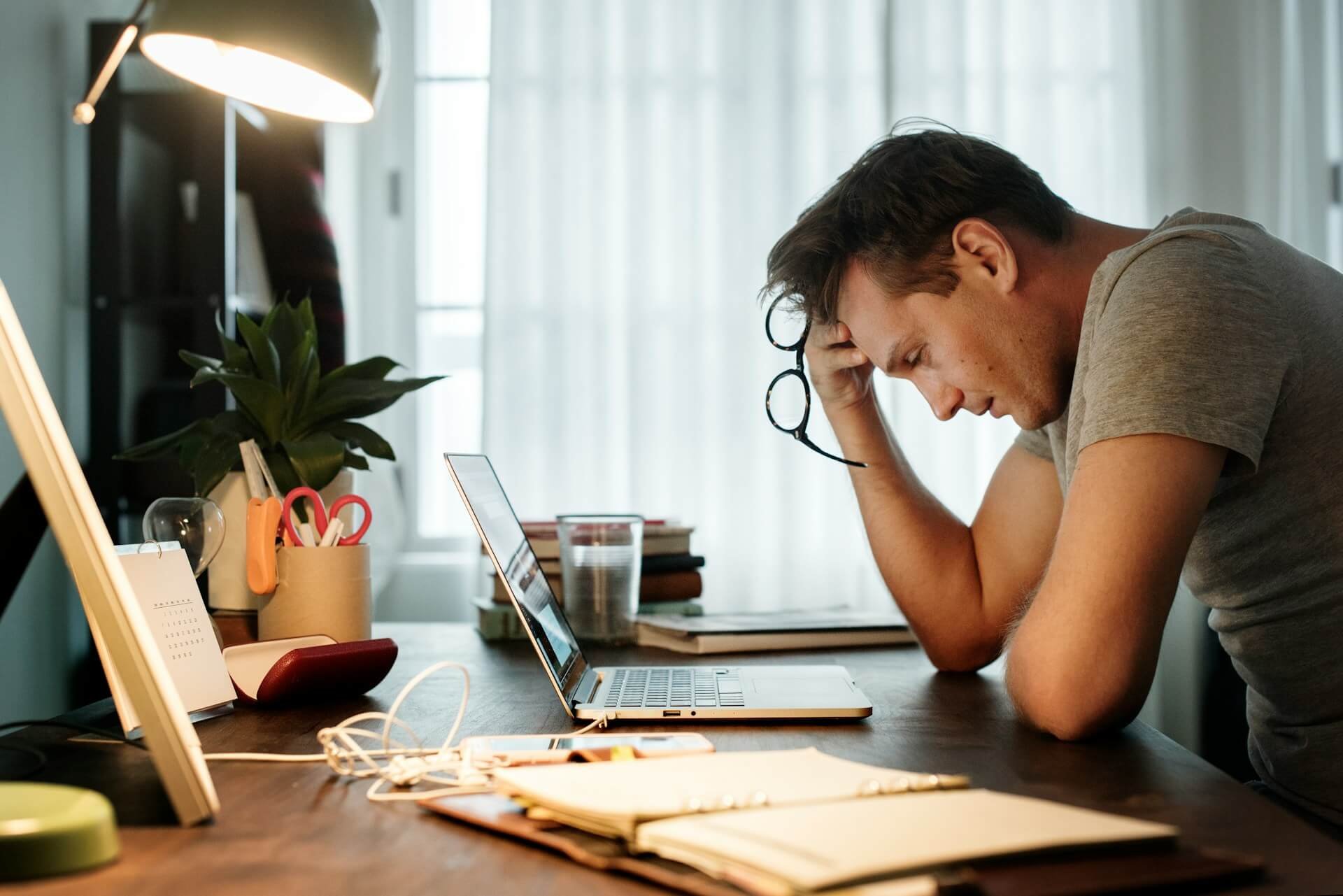
High pressure leadership fatigue is becoming one of the most common challenges facing Western CEOs, founders and senior executives in 2026. The modern business environment demands constant decision-making, financial responsibility and emotional resilience. Many leaders operate under continuous pressure for years without meaningful recovery. Over time, this strain begins to affect mental clarity, physical energy and long-term performance. Recognising high pressure leadership fatigue early is one of the most important steps any businessman can take to protect both personal wellbeing and professional success.
While leadership often requires resilience, even the most capable executives have limits. When stress accumulates faster than recovery occurs, fatigue becomes inevitable. Below are ten common signs that high-performing leaders may be experiencing high pressure leadership fatigue.
1. Persistent Mental Exhaustion
One of the earliest indicators of high pressure leadership fatigue is persistent mental exhaustion. Even after sleep or a weekend off, the mind still feels heavy. Tasks that once felt manageable require greater effort and concentration.
This exhaustion is often caused by sustained cognitive load. CEOs and business owners constantly process information, make decisions and anticipate risks. Without proper recovery, the brain remains in a state of prolonged stress activation.
Over time, this can reduce mental efficiency and increase feelings of overwhelm.
2. Reduced Decision-Making Clarity
Executives are expected to make clear and confident decisions. When high pressure leadership fatigue sets in, decision-making becomes slower and more difficult.
You may notice:
Second-guessing choices
Difficulty prioritising
Overthinking small issues
Avoiding complex decisions
This occurs because chronic stress impairs executive function, the cognitive process responsible for planning and strategic thinking.
3. Difficulty Switching Off
Many male leaders experiencing high pressure leadership fatigue struggle to mentally disengage from work. Even during personal time, thoughts return to business responsibilities.
Common patterns include:
Checking emails late at night
Thinking about problems during downtime
Feeling restless when not working
This constant mental engagement prevents the nervous system from entering true recovery mode.
4. Declining Sleep Quality
Sleep disruption is another clear sign of high pressure leadership fatigue.
Leaders may experience:
Difficulty falling asleep
Waking frequently during the night
Early morning waking with racing thoughts
Feeling tired despite adequate hours of sleep
Research shows that elevated cortisol levels associated with chronic stress interfere with the body’s natural sleep cycle.
Poor sleep further worsens cognitive performance, creating a negative cycle.
5. Increased Irritability
When leadership fatigue builds, emotional patience often decreases. Situations that previously felt manageable may trigger frustration.
Executives experiencing high pressure leadership fatigue may notice:
Short temper with colleagues
Reduced tolerance for mistakes
Heightened sensitivity to criticism
This emotional strain can affect team relationships and overall workplace culture.

6. Loss of Strategic Perspective
Leadership requires long-term thinking. However, high pressure leadership fatigue narrows focus toward immediate problems.
Fatigued leaders may:
Struggle to think strategically
Focus only on urgent issues
Avoid long-term planning
This shift occurs because stress reduces cognitive flexibility, making it harder to step back and see the bigger picture.
7. Reduced Creativity and Innovation
Creativity thrives when the brain has mental space. Under chronic stress, that space disappears.
Executives experiencing high pressure leadership fatigue often report:
Difficulty generating new ideas
Reduced curiosity
Feeling mentally stuck
Innovation requires cognitive bandwidth. When the mind is overloaded, creativity suffers.
8. Physical Symptoms of Stress
Leadership fatigue is not purely mental. The body often shows signs as well.
These may include:
Persistent tension in the neck or shoulders
Frequent headaches
Low energy levels
Increased susceptibility to illness
These symptoms occur because the body remains in a prolonged stress response state.
9. Feeling Isolated as a Leader
Many CEOs feel alone in their role. They may believe they must always appear confident and composed.
High pressure leadership fatigue can deepen this sense of isolation. Leaders may avoid discussing stress with colleagues or family members.
Over time, this emotional distance makes recovery more difficult.
10. Loss of Motivation and Enjoyment
Perhaps the most concerning sign of high pressure leadership fatigue is losing enthusiasm for work that once felt meaningful.
Leaders may feel:
Disconnected from their mission
Less excited about new opportunities
Emotionally drained by routine tasks
When motivation fades, performance and satisfaction both decline.
Why High Pressure Leadership Fatigue Is Increasing in 2026
Several modern factors contribute to rising leadership fatigue.
These include:
Constant digital communication
Globalised business operations
Economic uncertainty
High investor expectations
Continuous information flow
The pace of leadership has accelerated dramatically. Without structured recovery, many executives simply accumulate stress year after year.
Recognising high pressure leadership fatigue early allows leaders to intervene before burnout becomes severe.
Why Recovery Requires More Than Time Off
Many executives attempt to recover through short holidays or weekends away. While helpful, these breaks rarely provide deep restoration.
The reason is environmental familiarity.
At home, leaders remain surrounded by work reminders and digital communication. The brain struggles to disengage fully from responsibility.
True recovery often requires geographic distance and structured reset.
Why Thailand Has Become a Leading Recovery Destination
Thailand has become one of the most popular locations for executive recovery retreats.
Several factors make it ideal for stressed businessmen:
Natural environments
Beaches, jungles and open landscapes reduce sensory overload and support mental clarity.
Warm climate
Heat encourages muscle relaxation and slower breathing, calming the nervous system.
Cultural pace
Thailand’s slower rhythm contrasts with Western corporate intensity.
Psychological distance
Travelling thousands of miles away from the office disrupts habitual stress patterns.
These factors make Thailand an effective environment for addressing high pressure leadership fatigue.
How Men’s Travel Retreat in Thailand Helps Leaders Reset
Men’s Travel Retreat specialises in organising structured recovery retreats across Thailand for stressed businessmen, burnt-out CEOs and senior executives.
Each retreat is designed to help leaders recover from high pressure leadership fatigue through:
Guided breathwork for nervous system regulation
Restorative physical practices
Digital detox support
Strategic reflection sessions
Carefully selected locations across Thailand
Everything is organised to remove logistical stress so participants can focus entirely on recovery.
You can explore upcoming retreats here:
https://www.menstravelretreat.com/
To speak directly with the team, visit:
https://www.menstravelretreat.com/contact
Final Thoughts
High pressure leadership fatigue is not a sign of weakness. It is a predictable outcome of sustained responsibility without adequate recovery. Modern business demands intense cognitive output, and without intentional reset, even the strongest leaders will eventually feel the strain.
Recognising the early warning signs allows executives to take proactive steps before burnout deepens. For stressed businessmen, male CEOs and senior executives, addressing high pressure leadership fatigue through a structured retreat in Thailand may be one of the most strategic decisions you make for your leadership, health and long-term success.