How Chronic Stress Affects the Brain in Men and What You Can Do to Reverse It

Understanding how chronic stress affects the brain of men is no longer optional in 2026; it is essential. Modern life has created a constant state of pressure for Western men, especially businessmen, CEOs and high performers who rarely switch off. Over time, this pressure does not just impact mood or energy; it physically changes how the brain works. The result is reduced clarity, poor decision making, emotional fatigue and a growing sense of disconnection. The good news is that these effects are not permanent. With the right approach, they can be reversed.
The key is knowing what stress is doing beneath the surface.
What Chronic Stress Really Is
Stress in short bursts is not a problem.
In fact, it can be useful.
It sharpens focus and prepares the body to respond.
The issue is chronic stress.
This is when the body remains in a constant state of alert.
For many men, this becomes normal.
They are always:
Thinking about work
Solving problems
Planning ahead
Reacting to pressure
The nervous system never gets a chance to reset.
This is where the real damage begins.
How Chronic Stress Affects the Brain of Men Over Time
To understand how chronic stress affects the brain of men, you need to look at how the brain responds to prolonged pressure.
There are three key areas impacted.
The Prefrontal Cortex
This part of the brain controls decision making, focus and logical thinking.
Chronic stress reduces its effectiveness.
This leads to:
Reduced concentration
Difficulty prioritising
For executives and businessmen, this directly impacts performance.
The Amygdala
This is the brain’s threat detection system.
Under stress, it becomes overactive.
This makes men more reactive and less controlled.
It leads to:
Increased anxiety
Short temper
Emotional responses instead of rational ones
The Hippocampus
This area is responsible for memory and learning.
Chronic stress can shrink its function over time.
This affects:
Memory recall
Learning ability
Mental clarity
This is why many men feel mentally slower under stress.
Why Men Are Particularly Vulnerable
Men often deal with stress differently.
Instead of processing it, they tend to suppress it.
They push through.
They keep working.
They avoid addressing it directly.
This creates a build up.
Over time, this leads to:
Burnout
Emotional detachment
Loss of motivation
Understanding how chronic stress affects the brain of men is crucial because it explains why pushing harder is not the solution.
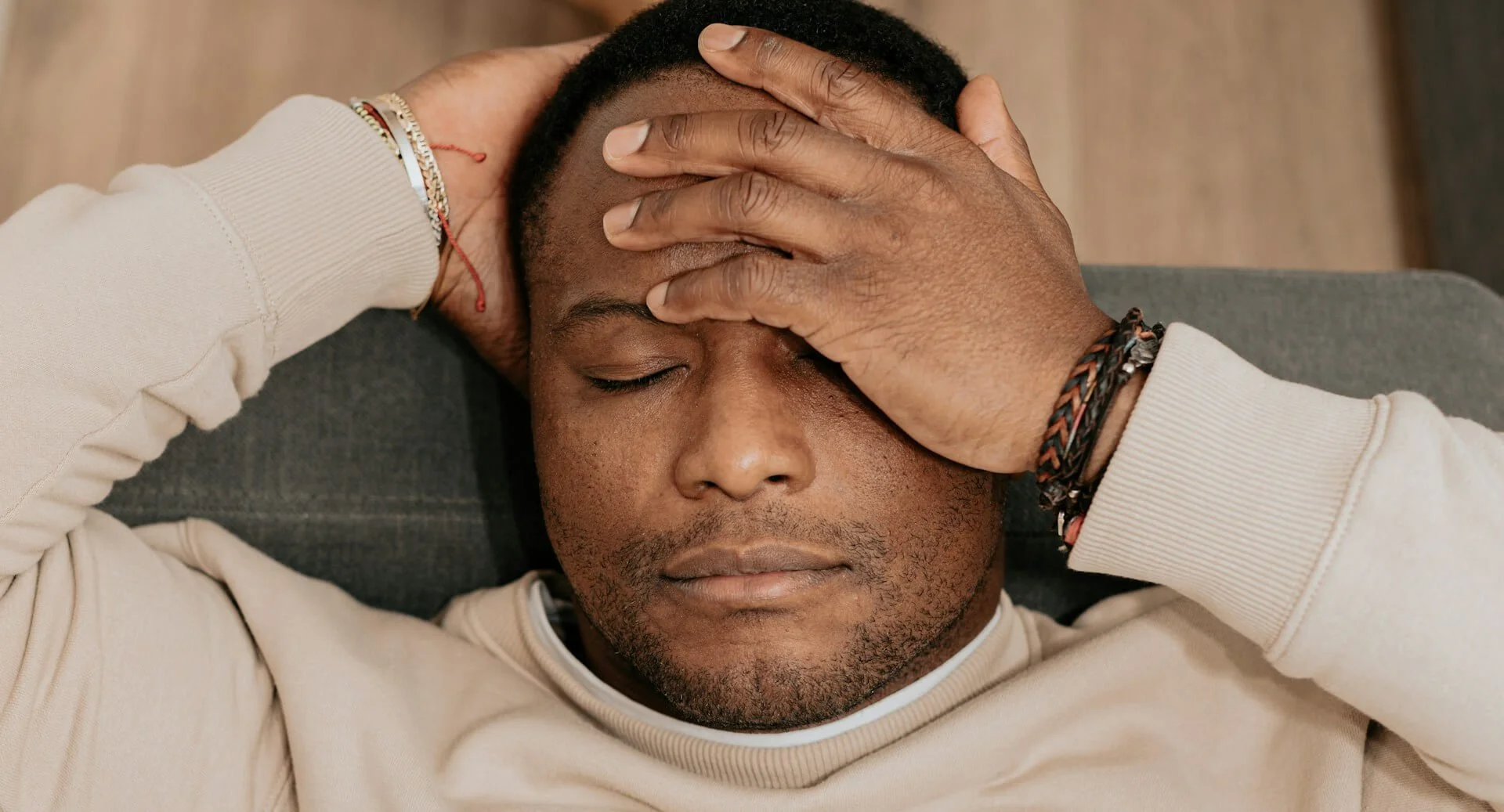
The Symptoms Most Men Ignore
The effects of chronic stress are not always obvious at first.
They build gradually.
Common signs include:
Constant mental fatigue
Difficulty focusing
Poor sleep
Irritability
Feeling disconnected from life
Loss of motivation
Many men dismiss these as part of life.
They are not.
They are signals.
Why Traditional Solutions Do Not Work
Most men try to fix stress in familiar ways.
They take time off.
They reduce workload temporarily.
They go on holiday.
But nothing really changes.
The environment stays the same.
The habits stay the same.
The brain stays in the same patterns.
To reverse the effects of stress, a deeper reset is required.
How to Reverse the Effects of Chronic Stress
Reversing stress is not about doing more.
It is about creating the right conditions for recovery.
There are three key elements.
1. Reset the Nervous System
The nervous system needs to move from stress mode into recovery mode.
This is where breathwork becomes powerful.
Controlled breathing helps:
Reduce stress hormones
Calm the mind
Improve focus
This is one of the fastest ways to reverse how chronic stress affects the brain of men.
2. Use Physical Stress to Build Resilience
It may sound counterintuitive, but controlled stress can help reset the body.
Practices like ice baths trigger a stress response in a safe environment.
Learning to stay calm during this builds resilience.
It teaches the brain to handle pressure more effectively.
3. Change the Environment
This is often the missing piece.
If you stay in the same environment, nothing changes.
To reset properly, you need distance.
Distance from:
Work
Routine
Daily stress
This is where travel becomes powerful.
Why Thailand Is the Ideal Place to Reset the Brain
Thailand offers a unique environment that supports recovery.
Natural Surroundings
Beaches and jungles reduce mental noise.
Slower Pace
Life moves at a different speed, allowing the brain to relax.
Warm Climate
Sunlight improves mood and energy levels.
Cultural Focus on Wellbeing
Thailand supports relaxation and mindfulness.
Distance from Western Life
This creates a true mental reset.
These factors make Thailand one of the best places to reverse how chronic stress affects the brain of men.
Why a Retreat Works Better Than a Holiday
A holiday provides temporary relief.
A retreat creates lasting change.
At a structured retreat, everything is designed for recovery.
This includes:
Daily routines
Guided practices
Time for reflection
A supportive environment
This structure allows the brain to reset properly.
How Men's Travel Retreat in Thailand Helps Reverse Stress
Men’s Travel Retreat is designed specifically for Western men dealing with stress and burnout.
These retreats focus on reversing the effects of chronic stress.
Participants experience:
Daily breathwork sessions to calm the nervous system
Ice baths to build resilience
Yoga and movement to release tension
Counselling and reflection for clarity
Time away from distractions
The retreats take place in locations such as Koh Samui, Koh Tao and Chiang Mai.
Everything is structured to remove stress and create clarity.
To learn more, visit our homepage here.
Or contact the team directly via our contact page here.
What Happens After a Proper Reset
When stress is reduced, the brain begins to recover.
Men often experience:
Improved focus
Better decision making
Increased energy
Reduced anxiety
Clearer thinking
The difference is not just mental.
It affects every area of life.
Why This Matters More Than Ever in 2026
Stress is increasing.
Expectations are rising.
Men are under more pressure than ever.
At the same time, awareness is growing.
Men are starting to understand that pushing through is not sustainable.
They are looking for real solutions.
Final Thoughts
Understanding how chronic stress affects the brain of men is the first step toward fixing it. The effects are real, but they are not permanent.
With the right approach, the brain can reset and recover.
A structured retreat in Thailand provides the environment, tools and support needed to make that happen.
For Western men ready to regain clarity, reduce stress and perform at a higher level, addressing how chronic stress affects the brain of men properly could be one of the most important decisions they make.