Leadership Stress in Men: What a One-Week Thailand Retreat Can Change
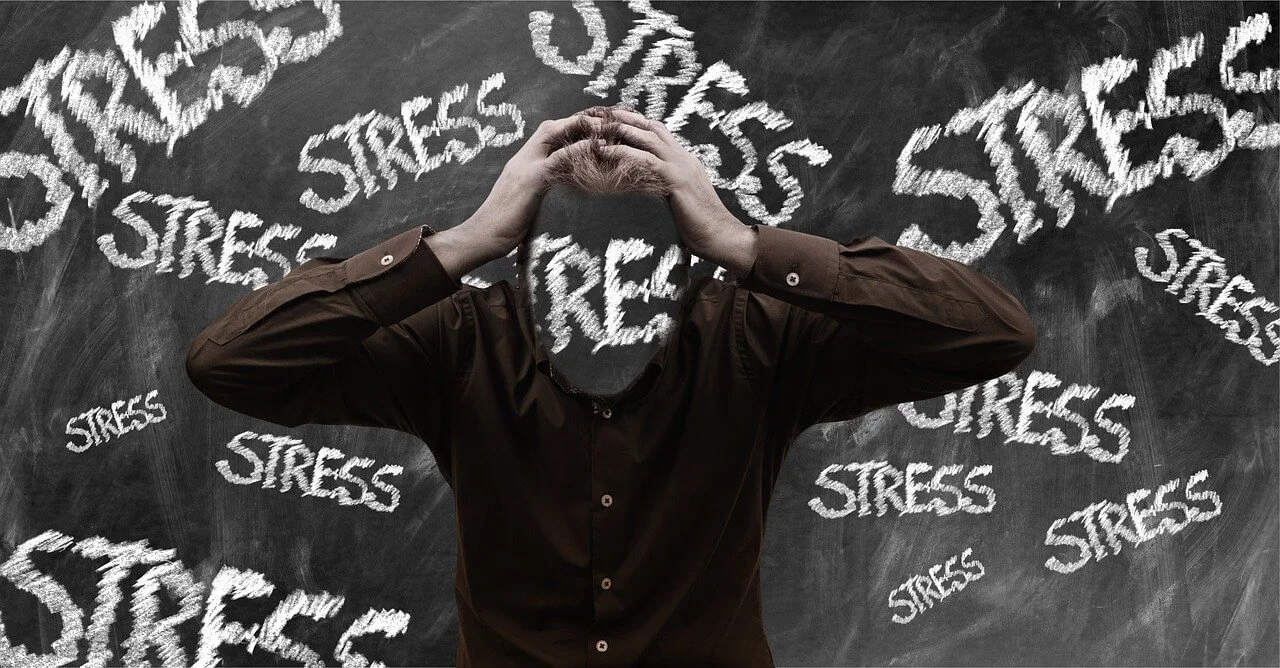
Leadership stress in men rarely announces itself loudly. It arrives quietly, builds steadily and embeds itself deep into daily life. For many men in leadership roles, stress becomes so normalised that it is mistaken for drive, ambition or responsibility. But over time, leadership stress in men begins to erode focus, patience, health and emotional balance, often long before outward success shows any cracks.
The challenge is not that leaders are weak. It is that leadership places the nervous system under constant demand. Decisions carry weight. Responsibility rarely pauses. Expectations follow men home, into sleep and into relationships. And while leadership roles reward strength and composure, they rarely provide space for recovery.
This is why a one-week retreat in Thailand can change more than most men expect. Not by offering escape, but by creating the conditions where leadership stress finally releases its grip and clarity returns.
Why Leadership Stress in Men Is Different From Everyday Stress
All stress is not equal. Leadership stress carries unique psychological weight.
Men in leadership positions often experience:
decision fatigue from constant judgement calls
responsibility for other people’s livelihoods
pressure to remain composed regardless of internal state
isolation at the top
limited opportunities to speak openly
blurred boundaries between work and identity
A global leadership wellbeing report found that over 70 percent of male leaders experience chronic stress symptoms, while more than half report difficulty switching off mentally, even during time away from work.
Leadership stress becomes particularly damaging when it turns into a permanent baseline. The nervous system stays activated. Sleep becomes shallow. Focus narrows. Emotional flexibility declines. Eventually, even high performers begin to feel flat, irritable or disconnected.
This is the point where willpower stops working and recovery becomes essential.
Why Leaders Struggle to Recover Inside Their Normal Environment
Many leaders try to fix stress without changing context. They take shorter meetings, exercise more, delegate tasks or attempt mindfulness at home. These efforts help, but rarely create deep change.
Why? Because the environment remains the same.
Workplaces, homes and cities are full of stress cues:
phones and notifications
familiar routines
social expectations
responsibility reminders
habitual thought loops
Even when leaders take time off, the mind remains connected to work. The nervous system never fully stands down.
This is why leadership stress in men often persists despite good intentions. Recovery requires more than rest. It requires removal from the system that keeps stress active.
Why Thailand Is Uniquely Effective for Leadership Reset
Thailand offers a rare combination of factors that support rapid nervous system recovery, especially for men under long-term pressure.
Climate That Softens the Body
Warm air relaxes muscles, improves circulation and naturally deepens breathing. This alone reduces physical stress signals that keep the body in alert mode.
Natural Environments That Calm the Mind
Beaches, forests and open skies reduce cognitive overload. Research shows that exposure to natural environments can reduce cortisol levels by up to 30 percent in a matter of days.
A Cultural Pace That Slows Internal Urgency
Thai culture values calmness and patience. Men often find their internal pace slowing without effort, allowing stress to unwind naturally.
Distance That Creates Perspective
Being far from home creates psychological separation from leadership roles. Problems that felt urgent begin to feel manageable. Perspective returns.
This environmental shift is the foundation for change during a one-week retreat.
What Happens During One Week Away From Leadership Pressure
A well-designed retreat does not waste time. Each element plays a role in recalibrating the stressed leadership mind.
Days 1–2: Nervous System Decompression
The first two days focus on slowing everything down.
Leaders often notice:
quieter internal dialogue
deeper breathing
reduced physical tension
improved sleep quality
This initial decompression is crucial. Without it, deeper work cannot take place.
Breathwork That Reprogrammes Stress Patterns
Leadership stress reshapes breathing. Shallow, rapid breathing keeps the body in fight or flight mode.
Guided breathwork sessions help:
reduce anxiety
lower stress hormones
improve emotional regulation
restore mental clarity
Studies show that controlled breathing can significantly reduce perceived stress within a week, making it one of the fastest tools for leadership stress recovery.
Movement That Releases Accumulated Tension
Stress settles in the body. Long hours sitting, travelling and thinking create tension in the neck, shoulders, hips and jaw.
Movement sessions include:
mobility work
functional strength
Muay Thai fundamentals
controlled, purposeful exercise
The goal is release, not performance. Men often feel physically lighter and more grounded after just a few sessions.
Cold Therapy That Builds Leadership Resilience
Cold immersion is one of the most effective ways to train emotional regulation under pressure.
Cold exposure:
increases dopamine
improves mood stability
strengthens stress tolerance
sharpens focus
For leaders, learning calm in discomfort translates directly to better decision-making under pressure back home.
Reflection Sessions That Restore Strategic Thinking
Leadership stress narrows thinking. Reflection widens it.
Guided sessions help men:
identify stress triggers
recognise burnout patterns
reassess priorities
reconnect with purpose
create healthier leadership boundaries
Away from constant demands, insight emerges quickly and feels grounded rather than forced.
Brotherhood That Eases Leadership Isolation
One of the least discussed aspects of leadership stress in men is loneliness.
Many leaders have no peer space where honesty feels safe. Retreats change this.
Men connect with others who understand:
pressure
responsibility
ambition
emotional load
Conversation flows naturally. Support replaces isolation. This alone has a powerful calming effect on stress.
Rest That Actually Restores Cognitive Function
Leaders often sleep, but they rarely rest deeply.
A retreat environment offers:
quiet accommodation
minimal stimulation
consistent routines
natural light exposure
Quality sleep restores memory, emotional regulation and decision-making ability, often within days.
The Measurable Changes Leaders Experience After One Week
Men often underestimate how much can change in seven days.
Common outcomes include:
clearer thinking
improved emotional balance
deeper sleep
renewed energy
calmer reactions
stronger focus
healthier relationship with work
These are not temporary effects. They occur because the nervous system has been allowed to reset fully.
Why Men’s Travel Retreat Is Designed for Leaders
Men’s Travel Retreat understands the pressures modern leaders face. The retreat structure is designed to appeal to men who value purpose, efficiency and real results.
The experience includes:
expert-led breathwork
structured movement
cold immersion
reflection sessions
nature immersion
supportive male group
peaceful, high-quality accommodation
Everything is organised so leaders can focus on recovery without distraction.
Learn more here:
👉 https://www.menstravelretreat.com/
Speak with the team directly:
👉 https://www.menstravelretreat.com/contact
Leadership Stress in Men Can Shift Faster Than You Think
Leadership stress in men does not require months of recovery or radical life changes to improve. What it requires is the right environment, the right structure and the permission to step away.
A one-week retreat in Thailand can change how your nervous system responds to pressure, how your mind processes decisions and how your body carries responsibility. It can reconnect you with clarity, calm and the grounded strength that leadership actually requires.
If leadership stress has quietly been shaping your days and nights, this is your sign that change is possible.
And it can begin in just one week.