Recovery From Prolonged Stress: Why CEOs Need to Step Away to Heal
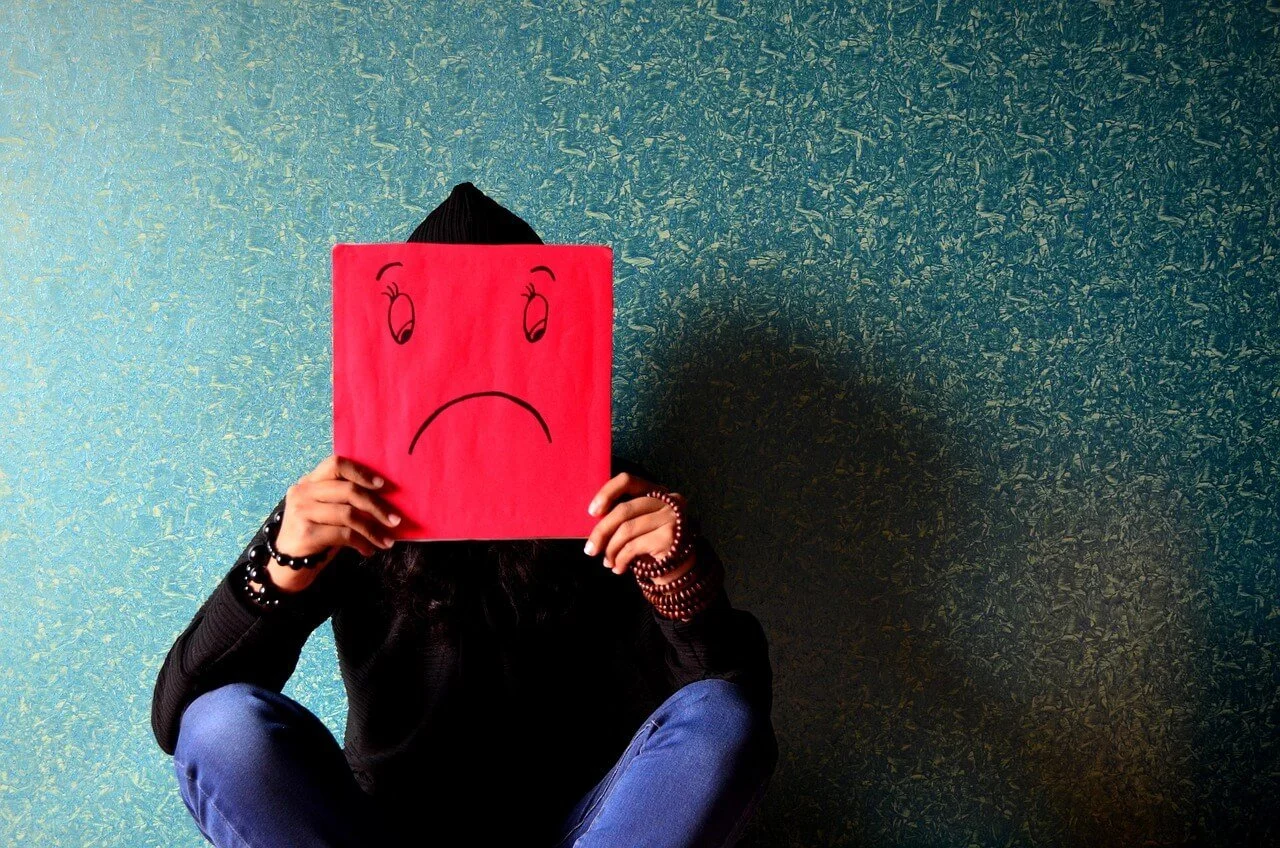
Recovery from prolonged stress is no longer a wellness buzzword. For CEOs, founders and senior executives, it has become a business-critical issue. High-level leadership today demands constant decision-making, emotional regulation and responsibility for outcomes that affect entire organisations. Over time, this pressure accumulates quietly, embedding itself into the nervous system and shaping how leaders think, feel and perform. When stress becomes prolonged, willpower is no longer enough to reverse its effects.
Many executives assume they can manage stress internally by working smarter, delegating more or pushing through fatigue. The problem is that prolonged stress does not live only in the mind. It lives in the body, the nervous system and habitual patterns formed over years. This is why genuine recovery often requires stepping away from the environment that caused the stress in the first place, rather than attempting to fix it from within.
What Prolonged Stress Actually Does to Leaders
Short-term stress can be useful. It sharpens focus and drives action. Prolonged stress does the opposite.
When stress remains elevated over long periods, leaders often experience:
mental fatigue that never fully lifts
reduced clarity and slower thinking
emotional irritability or numbness
disrupted sleep and early waking
constant low-level tension in the body
loss of motivation or creative thinking
Research into executive wellbeing shows that over 70 percent of senior leaders report chronic stress symptoms, even while continuing to perform outwardly. This is what makes prolonged stress dangerous. It allows leaders to function while gradually eroding their internal capacity.
Recovery from prolonged stress requires addressing these changes at a nervous system level, not just at a behavioural one.
Why CEOs Often Miss the Warning Signs
One of the reasons prolonged stress persists is that it becomes normal.
Executives are conditioned to tolerate pressure. Early warning signs such as irritability, mental fog or emotional detachment are often dismissed as part of leadership. Because results may still be delivered, stress is reframed as commitment rather than a problem.
Many CEOs notice:
declining patience
reduced enjoyment outside of work
difficulty being present with family
reliance on stimulation such as caffeine or late nights
These signs are rarely dramatic enough to force action, but they signal that the nervous system is overloaded. Waiting until burnout hits often means waiting too long.
The Nervous System and Chronic Leadership Stress
At a biological level, prolonged stress keeps the body in a near-constant fight-or-flight state.
Extended exposure to stress hormones such as cortisol:
suppresses the brain areas responsible for planning and reasoning
disrupts sleep and recovery cycles
increases inflammation
weakens immune function
heightens emotional reactivity
In this state, leaders may still appear composed, but decision-making becomes more reactive and less strategic. Emotional regulation requires effort rather than happening naturally.
True recovery from prolonged stress begins when the nervous system is allowed to exit this constant alert state.
Why Traditional Time Off Rarely Creates Real Recovery
Many executives attempt to recover through holidays, lighter schedules or remote work. While these approaches offer short-term relief, they rarely create lasting change.
The reason is environmental continuity.
At home or nearby, CEOs remain exposed to:
familiar routines
digital access to work
mental attachment to responsibility
constant reminders of leadership identity
Even when work pauses, the nervous system does not. Stress remains active beneath the surface. This is why many leaders return from time off feeling only slightly better, or sometimes even more aware of how exhausted they are.
Recovery from prolonged stress requires a meaningful break from stress triggers, not just time away.
Why Distance Is Essential for Healing
Distance works because it interrupts patterns.
Physically, it removes leaders from daily stress cues. Psychologically, it breaks habitual thought loops. Emotionally, it creates permission to stop performing and start recovering.
Neuroscience research shows that new environments reduce rumination and increase cognitive flexibility. When familiar cues disappear, the brain begins to reset automatically.
For CEOs, distance needs to be substantial. A short break nearby rarely creates enough separation. This is where international retreats become powerful tools for healing.
Why Thailand Supports Deep Recovery Better Than Most Places
Thailand has become a leading destination for executive recovery because it offers multiple layers of nervous system relief.
Climate That Calms the Body
Warm temperatures relax muscles and promote slower breathing, helping the body move out of fight-or-flight mode.
Nature That Reduces Mental Noise
Beaches, forests and open landscapes reduce cognitive overload. Studies show time in nature lowers cortisol and improves emotional regulation within days.
Cultural Pace That Softens Internal Pressure
Thai culture values calmness and presence. Many executives find their internal urgency easing without conscious effort.
Psychological Distance From Work
Being far from home creates mental separation from responsibility, allowing perspective to return.
Together, these elements create ideal conditions for recovery from prolonged stress.
What Structured Recovery Looks Like at a Men’s Retreat
A retreat is not about escaping responsibility. It is about restoring capacity.
At Men’s Travel Retreat in Thailand, the experience is designed specifically for men in high-pressure leadership roles.
Breathwork to Reset Stress Responses
Chronic stress alters breathing patterns, keeping the body in a state of alert.
Guided breathwork helps:
reduce anxiety
lower stress hormones
improve emotional regulation
restore mental clarity
Many CEOs report this as the first time their body truly relaxes in years.
Movement That Releases Stored Stress
Stress is stored physically. Long hours sitting and constant mental load create tension that reinforces stress.
Movement sessions focus on:
mobility and flexibility
functional strength
controlled, mindful activity
This helps release tension without further depletion.
Cold Therapy for Emotional Resilience
Cold immersion trains the nervous system to remain calm under controlled stress.
Benefits include:
increased dopamine levels
improved mood stability
stronger stress tolerance
sharper focus
This translates into calmer decision-making back home.
Reflection Sessions for Perspective
Away from daily demands, leaders finally have space to think.
Guided reflection helps men:
identify stress patterns
reassess priorities
reconnect with purpose
regain strategic clarity
This perspective is difficult to access while immersed in constant responsibility.
Connection That Reduces Isolation
Leadership can be lonely. Many CEOs feel they must carry everything alone.
Retreats create connection without hierarchy or competition. Sharing experiences with other men under similar pressure reduces emotional load and restores a sense of belonging.
Rest That Actually Restores Energy
Quality accommodation and reduced stimulation allow the body to recover deeply.
Many participants experience:
improved sleep within days
increased energy
clearer thinking
Accommodation details here:
👉 https://www.menstravelretreat.com/retreat-accommodation
Why Men’s Travel Retreat Is Built for Executive Recovery
Men’s Travel Retreat understands the realities of leadership. The retreat balances structure with space, challenge with rest.
Participants benefit from:
expert-led recovery practices
supportive peer group
natural Thai environment
high-quality accommodation
Everything is organised so leaders can focus fully on healing.
Learn more here:
👉 https://www.menstravelretreat.com/
Contact the team directly:
👉 https://www.menstravelretreat.com/contact
Recovery From Prolonged Stress Is a Strategic Choice
Recovery from prolonged stress does not happen by accident. It requires intention, distance and the right environment.
For CEOs and senior leaders, stepping away to a structured retreat in Thailand is not avoidance. It is a strategic decision to protect clarity, health and long-term performance.
When stress has been carried for too long, healing does not begin by pushing harder. It begins by stepping away — and allowing recovery to do what work alone cannot.