Thailand Burnout Recovery Retreat: Why Executives Are Choosing to Step Away
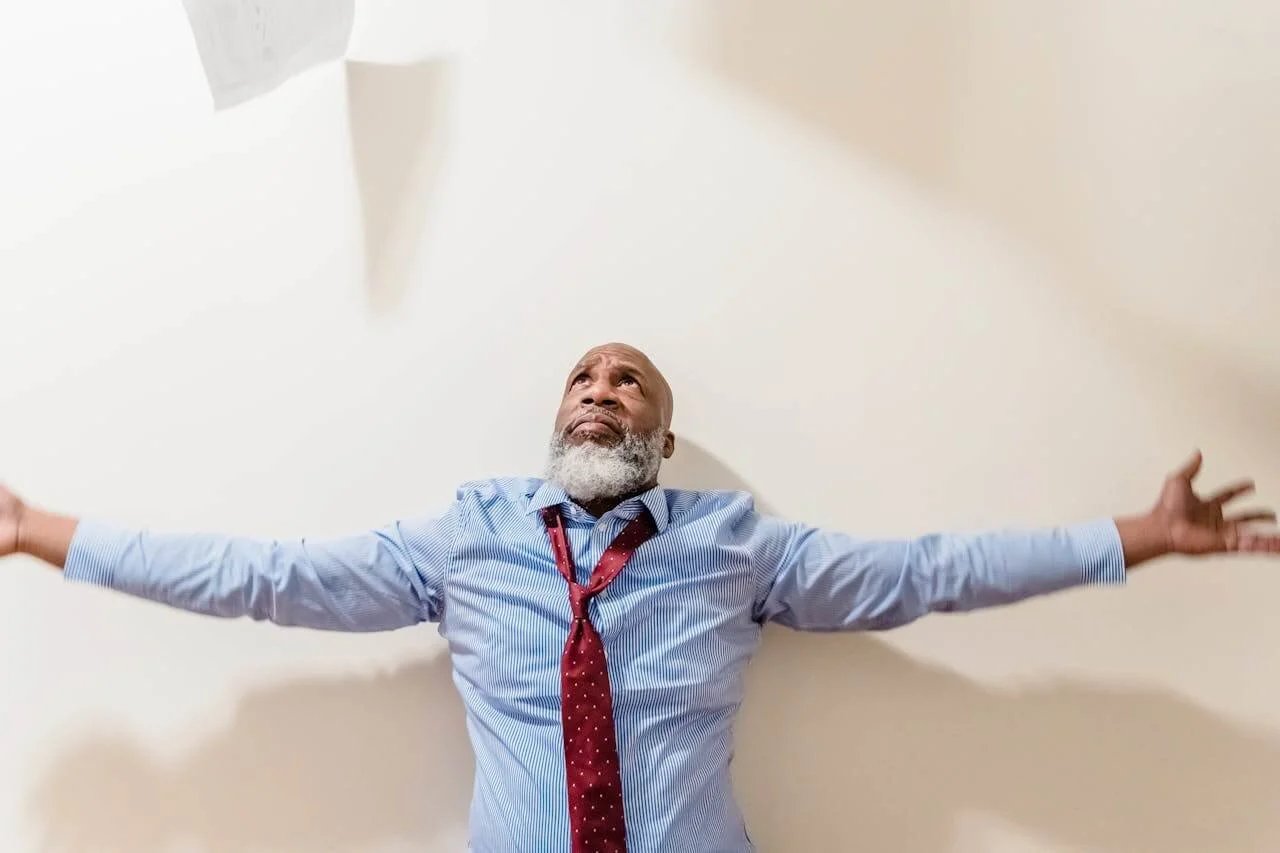
A Thailand burnout recovery retreat is no longer viewed as an extreme response to stress. In 2026, it is increasingly seen as a strategic decision by CEOs, founders and senior businessmen who understand that constant pressure without recovery eventually erodes performance. For many high-level leaders, burnout does not arrive as collapse. It shows up quietly through mental fatigue, loss of clarity and a sense that everything feels heavier than it should. Choosing a Thailand burnout recovery retreat allows executives to step away before stress hardens into long-term damage.
The shift happening among business leaders is not about giving up ambition. It is about protecting the internal systems that ambition relies on. Executives are realising that sustainable success depends as much on recovery as it does on drive.
Why Executive Burnout Is Increasing
Modern leadership places unprecedented demands on the nervous system. Business owners and executives are required to make constant decisions, manage people and finances, and remain emotionally stable under pressure.
Common contributors to burnout include:
continuous decision-making
digital availability around the clock
financial and reputational responsibility
limited time for genuine rest
blurred boundaries between work and personal life
Research into executive wellbeing shows that prolonged stress reduces cognitive flexibility and impairs emotional regulation. Leaders may still function outwardly, but internally they operate in a state of chronic tension. This is why burnout is becoming more common even among highly capable individuals.
A Thailand burnout recovery retreat addresses this by interrupting the stress cycle rather than attempting to manage it from within.
Why Burnout Often Goes Unnoticed at the Top
One of the most dangerous aspects of executive burnout is how easily it hides.
Early signs often include:
mental fog despite experience
reduced patience
difficulty switching off
persistent fatigue
declining enjoyment of success
Because results may still be delivered, these symptoms are often normalised. Many executives assume this is simply the cost of leadership. By the time burnout is obvious, recovery becomes more complex.
Stepping away early to a Thailand burnout recovery retreat is increasingly seen as preventative leadership rather than a reaction to failure.
Why Time Off at Home Rarely Solves Burnout
When stress becomes noticeable, many executives try to recover through holidays or lighter schedules. While pleasant, these often fail to produce lasting change.
The problem is proximity.
At home or on standard breaks, leaders remain surrounded by:
familiar routines
digital access to work
habitual thought patterns
ongoing responsibilities
Even when work pauses, the nervous system remains alert. Stress responses stay active beneath the surface. This is why many executives return from time off feeling briefly refreshed, only to slip back into exhaustion within weeks.
A Thailand burnout recovery retreat works because it removes leaders from the environment that sustains the stress.
Why Distance Accelerates Recovery
Distance is not avoidance. It is neurological reset.
When executives step far away from their usual surroundings:
stress triggers disappear
rumination slows
breathing deepens naturally
perspective widens
Psychological studies show that unfamiliar environments increase cognitive flexibility and reduce repetitive thinking. Problems that once felt overwhelming often feel manageable again.
This is why international retreats consistently outperform local solutions for burnout recovery.
Why Thailand Is an Ideal Location for Burnout Recovery
Thailand offers a combination of factors that naturally support recovery.
A Climate That Calms the Body
Warm temperatures relax muscles and encourage slower breathing, helping the body exit fight-or-flight mode.
Natural Environments That Reduce Mental Load
Beaches, forests and open landscapes reduce sensory overload. Time in nature has been shown to lower cortisol levels and improve focus within days.
A Cultural Rhythm That Reduces Urgency
Thai culture values calmness and balance. Many Western executives notice their internal pressure easing without effort.
Geographical Distance That Restores Perspective
Being far from home creates separation from leadership identity, allowing priorities to reset.
These elements make Thailand uniquely effective for burnout recovery.

What Makes a Burnout Recovery Retreat Different
A Thailand burnout recovery retreat is not a holiday. It is a structured recovery experience.
At Men’s Travel Retreat in Thailand, the focus is on restoring the nervous system, rebuilding clarity and stabilising energy. Every element is designed with the realities of executive stress in mind.
Structure That Removes Decision Fatigue
Executives make decisions all day. During recovery, fewer choices create safety for the nervous system.
Structured retreat days:
remove planning and logistics
provide predictable rhythms
allow the mind to rest
This structure helps leaders relax more deeply than unstructured time off.
Breathwork to Reset the Stress Response
Chronic stress alters breathing patterns, keeping the body in a constant state of alert.
Guided breathwork helps:
reduce stress hormone levels
calm racing thoughts
improve emotional regulation
restore mental clarity
Many executives report this as the first time they have felt genuinely calm in years.
Movement That Releases Stored Tension
Stress is stored physically, particularly in men who sit for long hours and carry mental strain.
Movement sessions focus on:
mobility and flexibility
functional strength
controlled, mindful activity
This supports recovery without draining already depleted energy reserves.
Cold Therapy for Mental Resilience
Cold exposure is increasingly used by high performers for its cognitive and emotional benefits.
Cold therapy has been shown to:
increase dopamine levels
improve mood stability
sharpen focus
build calm under pressure
These benefits carry directly back into leadership environments.
Reflection That Restores Strategic Thinking
Burnout narrows perspective. Recovery widens it.
Guided reflection sessions allow executives to:
reassess priorities
identify unsustainable patterns
reconnect with purpose
regain big-picture clarity
This clarity often emerges naturally when pressure lifts.
Connection Without Competition
Leadership can be isolating. Many executives carry stress alone.
Men’s retreats create connection without hierarchy or performance pressure. Sharing experiences with peers who understand responsibility reduces emotional load and restores perspective.
Rest That Actually Rebuilds Energy
Sleep quality is one of the strongest indicators of recovery.
High-quality accommodation, reduced stimulation and consistent routines allow the body to recover deeply. Many leaders experience improved sleep and steadier energy within days.
Why Men’s Travel Retreat Is Trusted by Executives
Men’s Travel Retreat specialises in organising Thailand burnout recovery retreat experiences for businessmen, CEOs and senior leaders.
The retreats focus on:
nervous system regulation
structured daily rhythms
breathwork and movement
cold therapy
reflection and clarity
calm Thai environments
Everything is organised so participants can focus fully on recovery rather than logistics.
Learn more here:
https://www.menstravelretreat.com/
Speak directly with the team:
https://www.menstravelretreat.com/contact
Why Executives Are Choosing to Step Away
A Thailand burnout recovery retreat is not about stepping away from leadership. It is about protecting the clarity, energy and emotional balance leadership requires.
Executives who ignore burnout eventually pay through declining focus, poorer decisions and health consequences. Those who step away early regain perspective, resilience and sustainable performance.
By choosing a structured retreat in Thailand, leaders give themselves the environment and support needed to recover properly. When a Thailand burnout recovery retreat becomes part of a leadership strategy, stepping away is no longer seen as weakness, but as one of the smartest decisions an executive can make.