What Causes Sustained Stress in Executives? And How To Fix It!
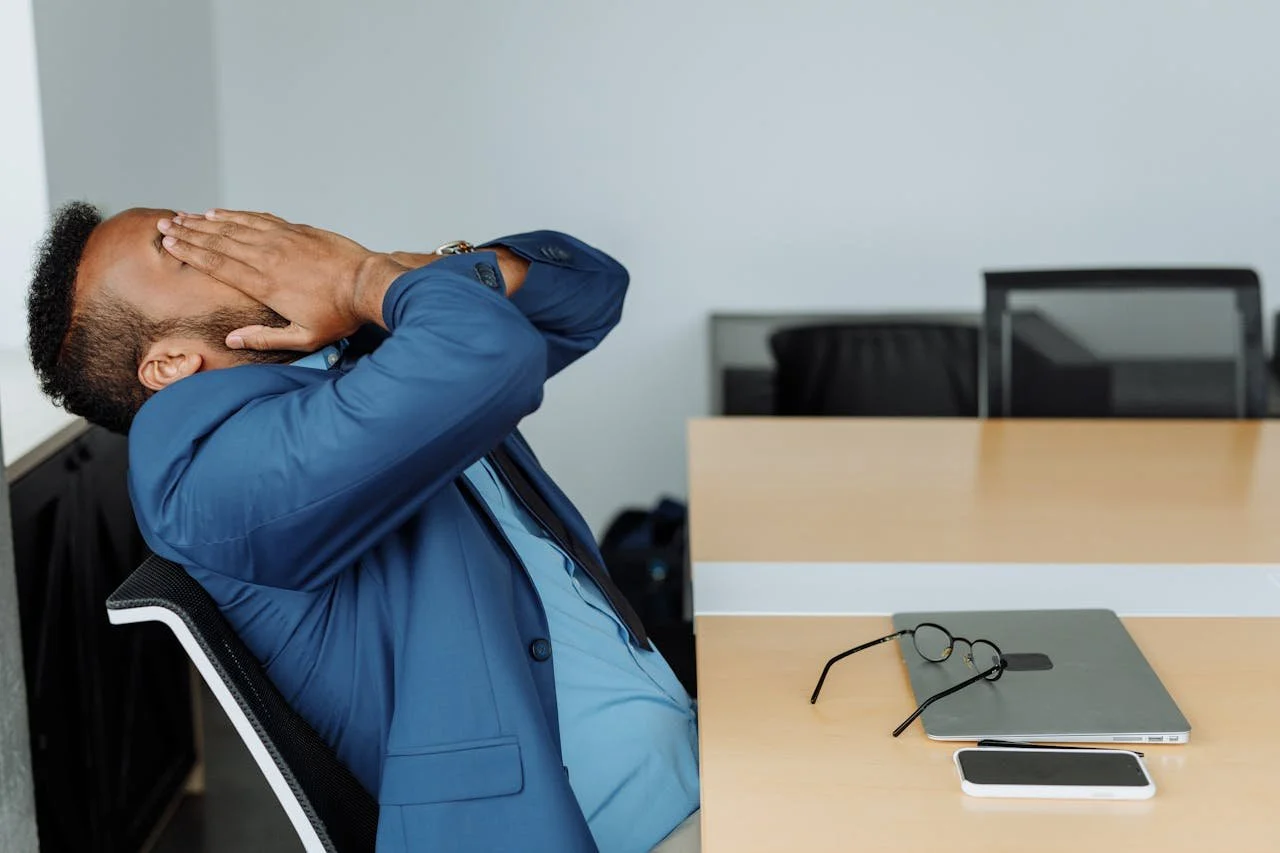
Sustained stress in executives is no longer an occasional side effect of leadership. In 2026, it has become a defining condition of modern business life. CEOs, founders and senior businessmen are operating in environments where pressure is constant, expectations are high and recovery is often postponed indefinitely. While short bursts of stress can sharpen performance, sustained stress in executives quietly erodes focus, decision-making ability and long-term health. Understanding what causes it, and more importantly how to fix it, has become essential for leaders who want to perform well without burning out.
Sustained stress does not mean failure. It means the balance between demand and recovery has broken down. Fixing it requires more than working less or taking a short holiday. It requires addressing the systems that keep stress locked in place.
Why Executive Stress Has Become Sustained
Stress becomes sustained when it stops being temporary.
For many executives, pressure no longer comes in waves. It is continuous. Emails never stop, decisions stack up and responsibility does not switch off at the end of the day. Over time, the nervous system adapts to this state and treats stress as normal.
The danger is that when stress becomes the baseline, leaders stop noticing how much it is affecting them.
Cause One: Constant Decision-Making Load
Executives make more decisions in a day than most people make in a week.
Every decision, even small ones, consumes mental energy. When decision-making becomes constant, cognitive resources deplete. This leads to decision fatigue, slower thinking and reduced clarity.
Sustained stress in executives often begins here. The brain simply does not get enough downtime to recover between demands.
Cause Two: Inability to Fully Switch Off
Many executives are physically present but mentally still at work.
Even during supposed downtime, thoughts loop around problems, responsibilities and future risks. This prevents the nervous system from entering a genuine rest state.
Without mental disengagement, recovery cannot occur. Sustained stress in executives thrives when the mind never truly rests.
Cause Three: Digital Availability and Boundary Erosion
Modern leadership is always on.
Phones, laptops and messaging platforms keep executives accessible at all hours. Boundaries between work and personal life blur, making stress continuous rather than episodic.
This constant low-level stimulation keeps the body in a mild state of alert, which over time becomes exhausting.
Cause Four: Responsibility Without Emotional Release
Leadership often requires emotional containment.
Executives absorb pressure from teams, investors and clients while feeling unable to share their own stress openly. Over time, this internalisation builds emotional tension.
Sustained stress in executives increases when there is no outlet to process responsibility safely.
Cause Five: Identity Tied Too Closely to Performance
For many businessmen and CEOs, identity is deeply linked to performance and responsibility.
Stepping back can feel like failure or weakness. This makes it difficult to prioritise recovery even when warning signs appear.
When rest feels undeserved, stress becomes self-perpetuating.
How Sustained Stress Shows Up in Leaders
Sustained stress rarely looks dramatic at first.
Common signs include:
declining focus and creativity
irritability or emotional flatness
disrupted sleep
physical tension
loss of enjoyment in work
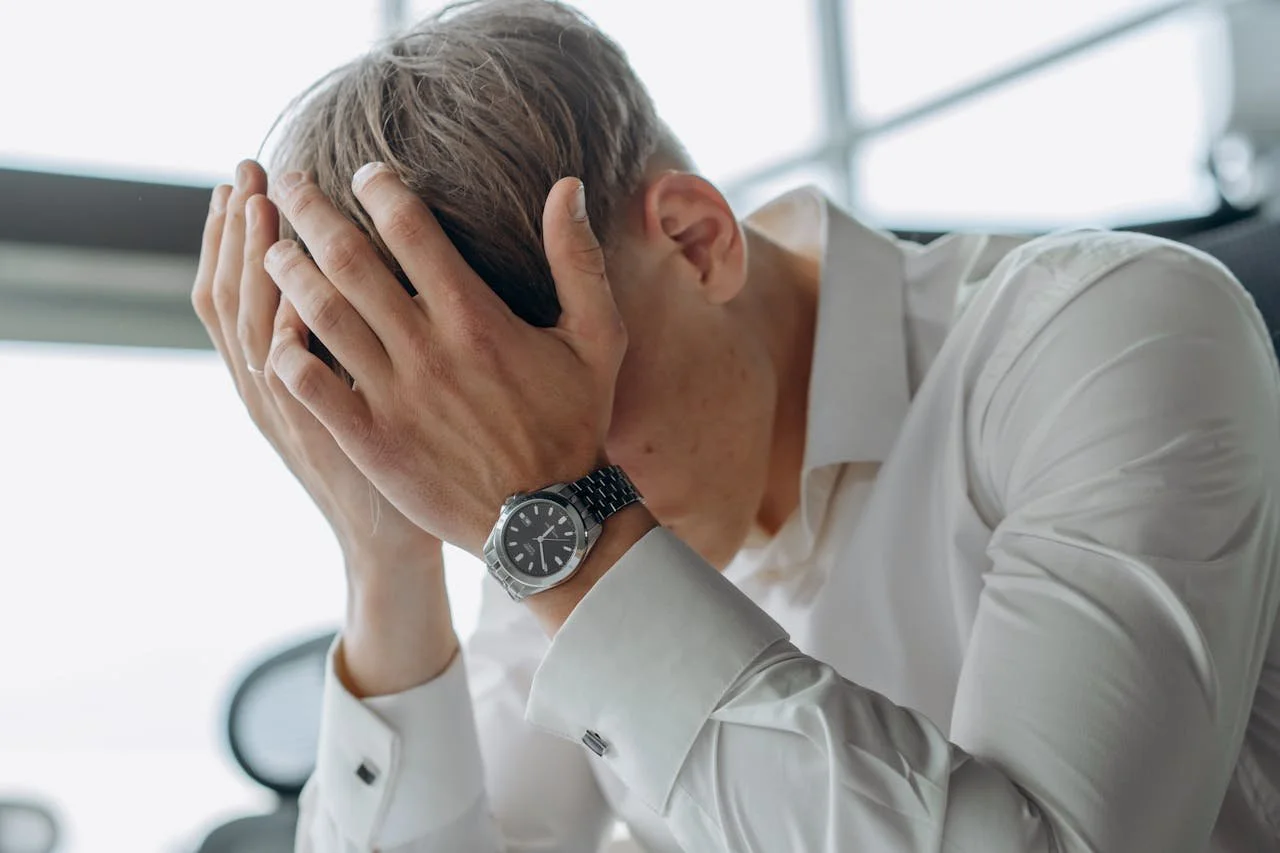
These symptoms are often dismissed as normal leadership pressure, allowing stress to deepen.
Why Traditional Solutions Often Fail
When executives notice stress, they often try familiar fixes.
They may take a holiday, reduce hours or promise themselves they will slow down soon. While helpful in the short term, these strategies often fail because they do not change the environment that sustains stress.
At home, executives remain surrounded by:
familiar work cues
digital access
habitual thought patterns
As a result, sustained stress in executives quickly returns.
Why Environment Is the Missing Piece
Stress is not just psychological. It is environmental.
The brain associates certain places with responsibility and pressure. When executives stay in the same environment, the nervous system remains alert even when work stops.
True recovery requires distance from these cues. This is why changing environment is one of the most effective ways to interrupt sustained stress.
Why Travel-Based Recovery Works
Travel introduces both physical and psychological separation from stress.
When executives step away from their usual surroundings:
habitual stress responses weaken
mental rumination slows
breathing and sleep improve
perspective widens
Studies in psychology show that unfamiliar environments improve cognitive flexibility and insight. Problems that felt overwhelming often become manageable once distance is created.
Why Thailand Is Especially Effective for Stress Recovery
Thailand has become a leading destination for executive recovery for several reasons.
The warm climate naturally relaxes muscles and slows breathing. Natural environments reduce sensory overload and lower stress hormones. The cultural rhythm is slower and less urgent than Western business environments.
Most importantly, Thailand creates genuine distance from the pressures that sustain stress. For many executives, this shift alone begins the recovery process.
Why Structure Is Essential for Fixing Sustained Stress
Unstructured time does not always lead to rest.
High performers often remain mentally busy without structure. Structured recovery removes decision fatigue and provides predictable rhythms that signal safety to the nervous system.
This allows stress levels to drop without forcing relaxation.
How Men’s Travel Retreat Fixes Sustained Stress
Men’s Travel Retreat in Thailand specialises in organising recovery retreats for stressed businessmen, male CEOs and executives.
The retreats are designed to address sustained stress in executives through:
nervous system regulation
structured daily rhythms
breathwork to calm mental noise
restorative movement to release tension
cold therapy to rebuild resilience
guided reflection to restore clarity
Everything is organised to remove mental load so participants can focus fully on recovery.
You can learn more about the retreat experience here.
To speak directly with the team directly here.
Why Recovery Works Better in a Male-Focused Environment
Men often experience and process stress differently.
Many male leaders suppress exhaustion and delay recovery until burnout becomes unavoidable. A male-focused retreat environment removes stigma and competition, making recovery practical and grounded.
This approach resonates strongly with businessmen who want results rather than abstract wellness concepts.
What Leaders Gain After Proper Recovery
When sustained stress is addressed properly, executives often report:
sharper focus
improved decision making
better emotional regulation
restored energy
stronger boundaries
renewed sense of purpose
These changes support long-term leadership performance rather than short-term relief.
Why Fixing Stress Early Matters
The longer sustained stress in executives is ignored, the more entrenched it becomes.
Early intervention allows faster recovery with fewer disruptions. Waiting until burnout forces action often leads to longer recovery times and greater personal cost.
Sustained Stress in Executives Is Fixable
Sustained stress in executives is not a personal failure. It is the predictable result of prolonged pressure without adequate recovery.
Fixing it does not require abandoning ambition. It requires stepping away long enough for the nervous system to reset and perspective to return.
By choosing a structured travel-based retreat in Thailand, executives give themselves the environment, distance and support needed to recover properly. When sustained stress in executives is addressed intentionally, leadership becomes clearer, lighter and far more sustainable for the long term.