How Men’s Travel Retreats Help Reverse Midlife Executive Burnout

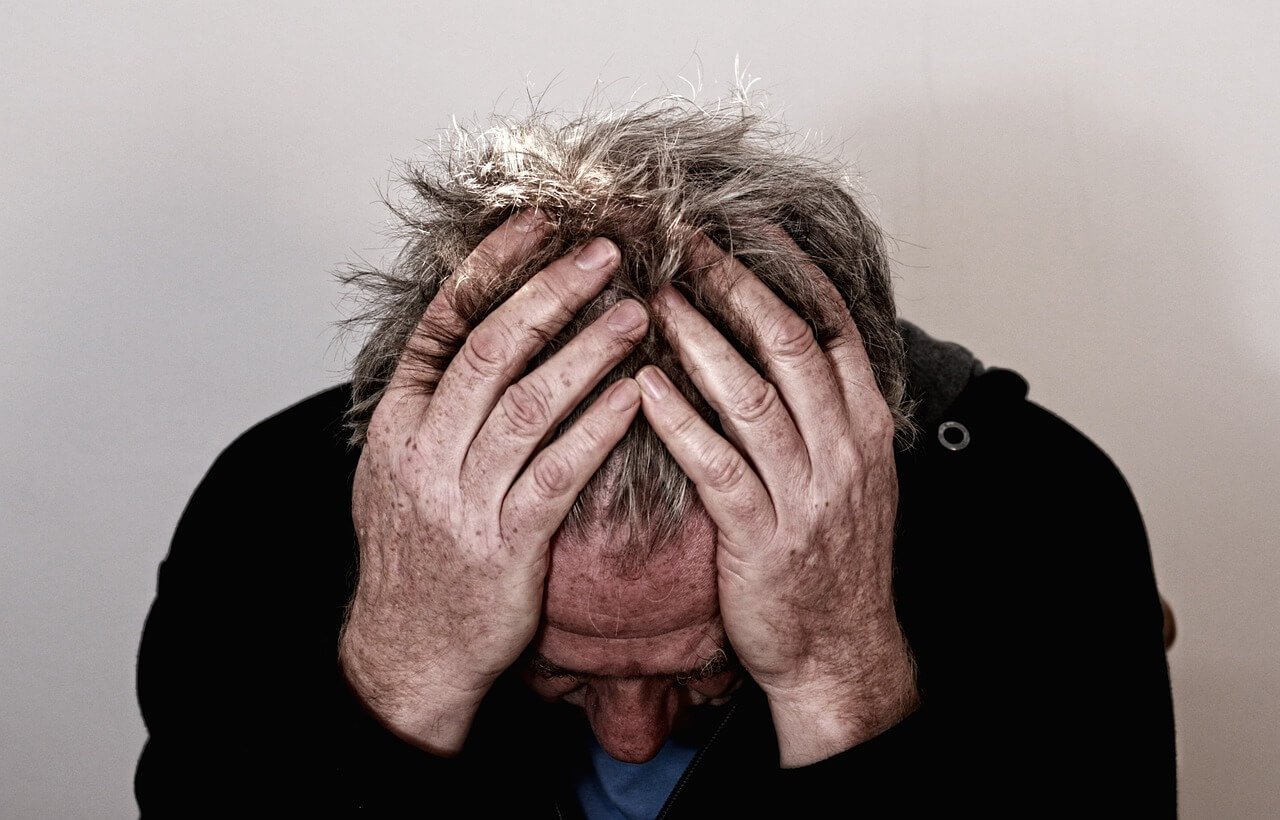
Midlife executive burnout is becoming one of the most common yet least openly discussed challenges among senior men in leadership. By the time many executives reach their forties and fifties, they have spent decades building careers, businesses and identities centred around responsibility and performance. On paper, life often looks successful. Internally, however, many men feel drained, disconnected and quietly overwhelmed. Midlife executive burnout rarely arrives with a dramatic collapse. It shows up slowly, through mental fatigue, loss of motivation and a growing sense that something is no longer working.
This stage of life is unique. Pressure is often at its peak, while the body and nervous system are less tolerant of constant stress than they once were. The strategies that worked in earlier years no longer provide the same resilience. This is why men’s travel retreats, particularly those organised in restorative environments like Thailand, are proving so effective at helping leaders reverse burnout rather than simply manage it.
Why Midlife Is a High-Risk Period for Burnout
Midlife executive burnout is not simply about workload. It is about accumulation.
By midlife, many executives are carrying:
years of unresolved stress
long-term cognitive overload
leadership responsibility that never switches off
identity closely tied to work
limited time for genuine recovery
Research into leadership wellbeing shows that men in midlife are significantly more likely to experience chronic stress, emotional fatigue and sleep disruption than younger professionals. The nervous system has been operating under pressure for too long without enough opportunities to reset.
What makes this stage particularly difficult is that many men believe they should be able to handle it. After all, they have handled everything else. This belief often keeps leaders pushing forward when what they actually need is space to recover.
The Subtle Signs of Midlife Executive Burnout
Burnout at midlife rarely announces itself clearly. Instead, it creeps in through subtle changes that are easy to rationalise.
Common signs include:
constant mental tiredness
reduced patience and emotional flexibility
difficulty concentrating on complex issues
loss of enjoyment outside work
shallow or disrupted sleep
feeling disconnected from purpose
Because these symptoms develop gradually, many executives normalise them. They assume this is simply what leadership feels like after many years. In reality, these are signals that recovery systems are no longer keeping up with demand.
Why Traditional Time Off Often Fails to Reverse Burnout
When burnout becomes noticeable, many executives attempt to solve it with holidays, reduced hours or lifestyle tweaks. While helpful in the short term, these approaches often fail to create lasting change.
The reason is proximity.
At home or on standard holidays, men remain surrounded by:
familiar routines
work-related cues
digital access to responsibility
expectations from others
Even when work pauses, the nervous system remains engaged. Stress does not fully release. This is why many men return from time off feeling temporarily refreshed, only to slip back into exhaustion within weeks.
Reversing midlife executive burnout requires more than rest. It requires a complete interruption of the patterns that created it.
Why Environment Plays a Critical Role in Recovery
Burnout is not just psychological. It is physiological.
When stress becomes chronic, the body adapts by staying in a heightened state of alert. Cortisol levels remain elevated. Sleep quality declines. Emotional regulation weakens.
Changing environment helps break this cycle.
New surroundings:
remove habitual stress triggers
reduce mental rumination
encourage slower breathing and movement
signal safety to the nervous system
This is why distance is so powerful. When men step far away from their usual environment, recovery begins without force or effort.
Why Thailand Is Particularly Effective for Burnout Recovery
Thailand offers a combination of elements that support deep recovery, especially for men dealing with long-term leadership pressure.
Climate That Calms the Body
Warm temperatures relax muscles and support slower breathing, helping the body exit fight-or-flight mode naturally.
Nature That Restores Mental Clarity
Beaches, forests and open skies reduce cognitive overload. Studies show that time in natural environments lowers stress hormones and improves focus within days.
Cultural Rhythm That Softens Internal Pressure
Thai culture values calmness and balance. Many men find their internal urgency easing without conscious effort.
Distance That Creates Perspective
Being far from home creates psychological separation from work identity, allowing men to see their lives and priorities more clearly.
These factors create ideal conditions for reversing midlife executive burnout at a nervous system level.
What Men’s Travel Retreats Do Differently
A men’s travel retreat is not a holiday. It is a structured recovery experience.
At Men’s Travel Retreat in Thailand, the focus is on helping men reset physically, mentally and emotionally without pressure to perform or achieve.
Nervous System Regulation Through Breathwork
Chronic stress alters breathing patterns, keeping the body in a state of alert.
Guided breathwork helps:
lower stress hormones
calm racing thoughts
improve emotional regulation
restore mental clarity
Many participants describe this as the first time their body has truly relaxed in years.
Movement That Releases Stored Stress
Midlife executive burnout often shows up physically as tightness, stiffness and fatigue.
Movement sessions focus on:
mobility and flexibility
functional strength
controlled, mindful exercise
This helps release tension stored over years of desk work and mental strain.
Cold Therapy for Emotional Resilience
Cold immersion trains the nervous system to remain calm under stress.
Benefits include:
increased dopamine levels
improved mood stability
stronger stress tolerance
sharper focus
This builds resilience that men carry back into everyday life.
Reflection That Reconnects Purpose
Burnout often disconnects men from why they started in the first place.
Guided reflection sessions help men:
reassess priorities
identify unsustainable patterns
reconnect with values
regain a sense of direction
Away from daily demands, insight emerges naturally.
Brotherhood and Shared Understanding
Midlife executive burnout can feel isolating. Many men believe they are the only ones struggling.
Retreats create connection without hierarchy or competition. Men share experiences with others who understand leadership pressure. This reduces emotional load and restores a sense of belonging.
Rest That Actually Restores Energy
Quality accommodation and reduced stimulation allow the body to recover deeply.
Men often experience:
improved sleep within days
increased energy
clearer thinking
Why Men’s Travel Retreat Is Built for Executive Men
Men’s Travel Retreat understands the realities of midlife leadership. The retreat balances structure with space, challenge with rest.
Participants benefit from:
experienced facilitators
evidence-based recovery practices
supportive male environment
natural Thai surroundings
high-quality accommodation
Everything is organised so men can focus fully on recovery.
Learn more about the retreat experience here.
Speak with the team directly here.
Midlife Executive Burnout Can Be Reversed
Midlife executive burnout is not a personal failure. It is a signal that sustained demand has exceeded the body’s capacity to recover.
Ignoring that signal leads to deeper exhaustion and declining fulfilment. Responding to it with intention leads to clarity, energy and renewed purpose.
Men’s travel retreats in Thailand offer the distance, environment and structure needed to reverse burnout properly. When midlife executive burnout has been building for years, stepping away is not avoidance. It is the most effective decision a leader can make to protect both wellbeing and long-term performance.