Leadership Performance Stress: Why CEOs Need to Step Away to Recover
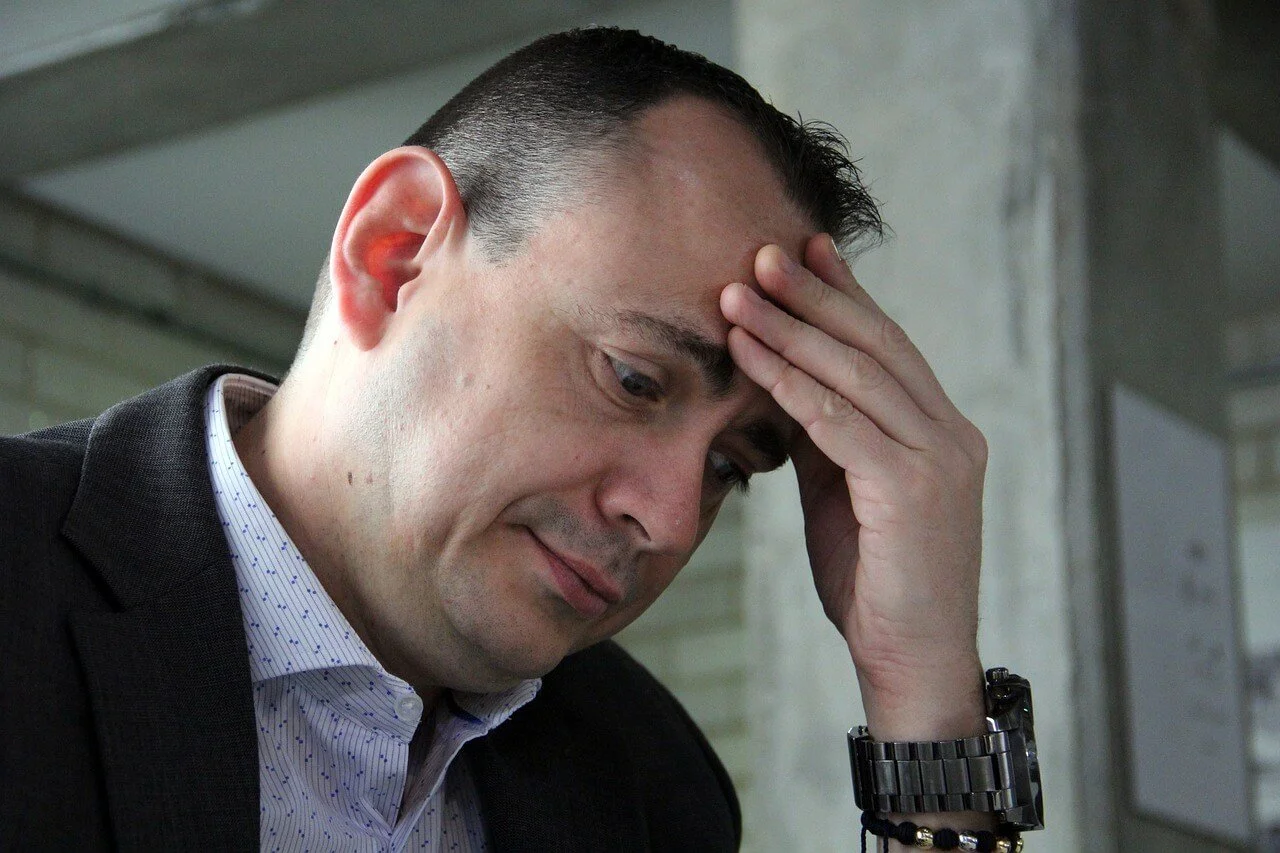
Leadership performance stress has become one of the most underestimated challenges facing CEOs and senior executives today. On the surface, many leaders appear composed, decisive and successful. Behind the scenes, however, the constant demand to perform at a high level places enormous strain on the nervous system. Over time, leadership performance stress begins to erode clarity, emotional balance and long-term effectiveness, often without leaders fully realising what is happening.
Unlike short bursts of pressure, performance stress in leadership roles is relentless. There are no true off-switches. Responsibility follows leaders home, into their sleep and into their personal lives. This is why more CEOs are recognising that recovery cannot happen inside the same environment that continuously demands output. Stepping away is no longer avoidance. It is strategy.
What Leadership Performance Stress Really Looks Like
Leadership performance stress is not simply feeling busy. It is the cumulative effect of sustained responsibility without adequate recovery.
Common experiences include:
constant mental fatigue
reduced patience and emotional flexibility
difficulty focusing on complex decisions
shallow or disrupted sleep
persistent physical tension
loss of enjoyment outside work
Studies on executive wellbeing consistently show that senior leaders experience significantly higher stress levels than the general population. Many continue to perform well outwardly, which makes leadership performance stress harder to detect and easier to ignore.
This type of stress does not cause immediate failure. It causes gradual decline.
Why High Performers Are Especially Vulnerable
High-performing leaders are often the most susceptible to leadership performance stress because they are skilled at pushing through discomfort.
Traits that drive success, such as discipline, resilience and responsibility, can also prevent leaders from recognising when recovery is needed. Many CEOs tell themselves they will rest later, once the next milestone is reached.
The problem is that later rarely comes.
Over time, the nervous system adapts to stress as a baseline. What once felt manageable begins to feel heavy, even though nothing obvious has changed.
The Biological Cost of Constant Performance
Leadership performance stress has a direct physiological impact.
Prolonged exposure to stress hormones:
suppresses the brain’s reasoning centres
increases emotional reactivity
disrupts sleep cycles
weakens immune response
raises inflammation levels
In this state, leaders may still make decisions, but with reduced clarity and increased effort. Emotional regulation becomes work rather than something that happens naturally.
This is why many CEOs describe feeling mentally foggy, easily irritated or disconnected, even while remaining productive.
Why Traditional Stress Management Falls Short
Many executives attempt to manage leadership performance stress through exercise, productivity systems or short breaks. While these approaches offer benefits, they rarely address the root problem.
The issue is proximity.
When leaders remain close to:
their work environment
digital communication
familiar routines
leadership identity
the nervous system never fully disengages. Even during holidays, stress remains active in the background.
This is why many CEOs return from time off feeling only slightly better, or sometimes more aware of how exhausted they are.
Why Stepping Away Is Essential for Recovery
Recovery requires interruption.
When leaders step away from their normal environment, several things happen at once:
stress triggers disappear
habitual thought patterns weaken
breathing slows naturally
perspective returns
Neuroscience research shows that new environments reduce rumination and restore cognitive flexibility. Distance allows the nervous system to downshift without conscious effort.
For CEOs, this distance must be meaningful. A few days away nearby rarely creates enough separation. This is where international retreats play a powerful role.
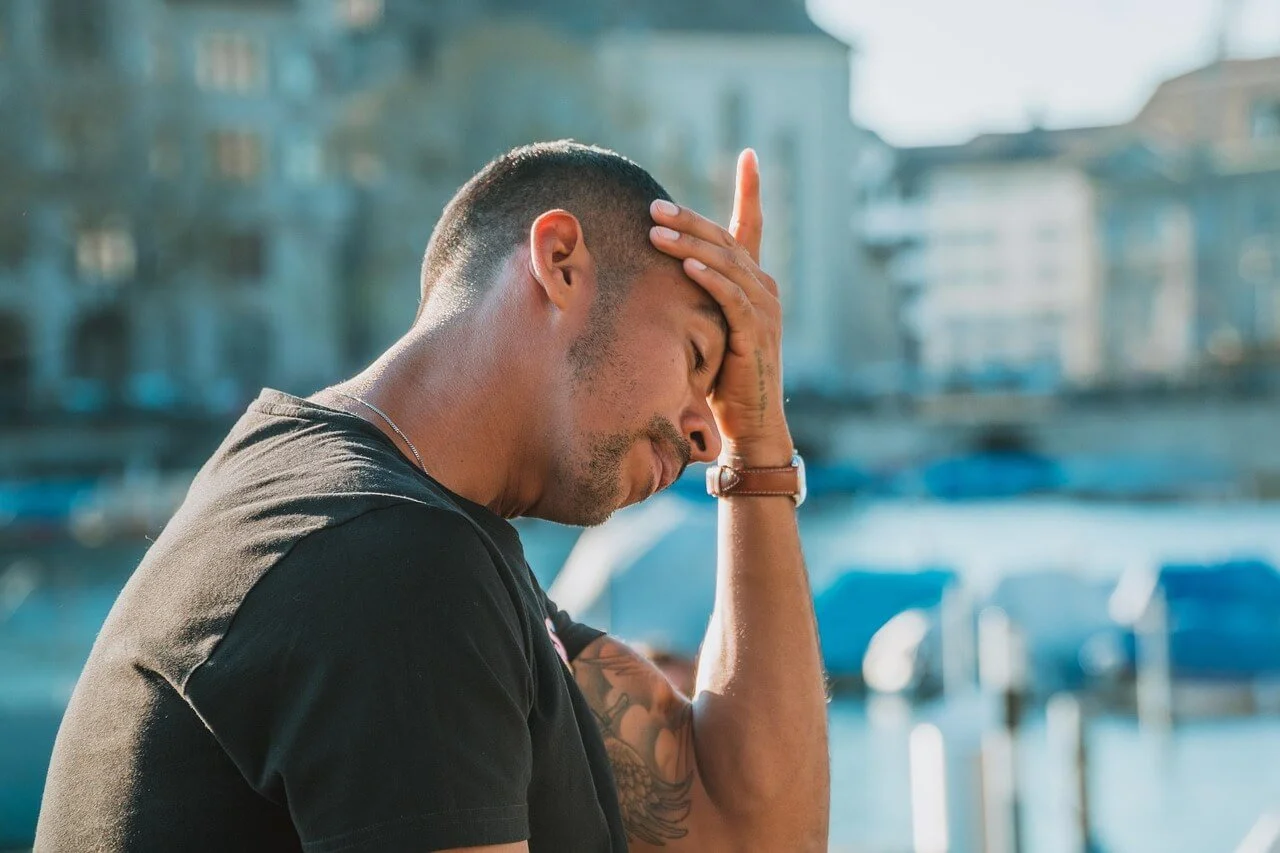
Why Thailand Has Become a Preferred Destination for Executives
Thailand offers a unique combination of conditions that support recovery from leadership performance stress.
A Climate That Calms the Body
Warm temperatures relax muscles and promote slower breathing, helping the body exit fight-or-flight mode.
Nature That Restores Mental Clarity
Beaches, forests and open landscapes reduce mental noise. Studies show time in nature lowers cortisol levels and improves attention within days.
A Cultural Pace That Reduces Internal Urgency
Thai culture values calmness and balance. Many executives find their internal pace slowing without conscious effort.
Distance That Creates Perspective
Being far from home provides psychological separation from leadership demands, allowing problems to feel more manageable.
These factors make Thailand an ideal environment for genuine recovery.
What Happens During a Men’s Travel Retreat
A retreat designed for leaders is not about switching off completely. It is about restoring capacity.
At Men’s Travel Retreat in Thailand, the experience is structured specifically for businessmen and CEOs dealing with sustained pressure.
Breathwork to Regulate Stress Responses
Leadership performance stress alters breathing patterns, keeping the body in a constant state of alert.
Guided breathwork helps:
lower stress hormones
calm racing thoughts
improve emotional regulation
restore mental clarity
Many leaders report this as the first time they feel truly relaxed in years.
Movement That Releases Stored Tension
Stress is stored physically. Long hours of sitting and mental strain create tightness throughout the body.
Movement sessions focus on:
mobility and flexibility
functional strength
controlled, mindful exercise
This helps release tension without further depletion.
Cold Therapy for Mental Resilience
Cold immersion trains the nervous system to remain calm under pressure.
Benefits include:
increased dopamine levels
improved focus
stronger emotional regulation
greater stress tolerance
For leaders, this translates directly into calmer decision-making back home.
Reflection Sessions That Restore Perspective
Leadership performance stress narrows thinking. Reflection widens it.
Guided sessions help CEOs:
reassess priorities
identify unsustainable patterns
reconnect with purpose
regain strategic clarity
Away from constant demands, insight emerges naturally.
Connection That Reduces Leadership Isolation
Leadership can be lonely. Many CEOs carry stress alone.
Retreats create connection without hierarchy or competition. Sharing experiences with other men facing similar pressures reduces emotional load and restores a sense of shared understanding.
Rest That Actually Restores Performance
Quality accommodation and reduced stimulation allow the body to recover deeply.
Many executives experience:
improved sleep within days
increased energy
clearer thinking
Accommodation options can be explored here:
👉 https://www.menstravelretreat.com/retreat-accommodation
Why Men’s Travel Retreat Is Designed for Leaders
Men’s Travel Retreat understands the realities of executive life. The retreat experience balances structure with space, challenge with rest.
Participants benefit from:
expert-led recovery practices
supportive peer environment
natural Thai surroundings
high-quality accommodation
Everything is organised so leaders can focus fully on recovery.
Learn more about the retreat experience here:
👉 https://www.menstravelretreat.com/
Speak directly with the team:
👉 https://www.menstravelretreat.com/contact
Leadership Performance Stress Is a Signal, Not a Failure
Leadership performance stress is not a weakness. It is a signal that sustained demand has exceeded the body’s capacity to recover.
Ignoring that signal leads to declining clarity, health and effectiveness. Responding to it with intention leads to stronger, more sustainable leadership.
By stepping away to a men’s travel retreat in Thailand, CEOs give themselves the environment, structure and support needed to recover properly. When leadership performance stress is addressed at its root, leaders return not just rested, but clearer, calmer and better equipped to lead.