Recovery From Prolonged Stress: Why Leaders Recover Faster in Thailand
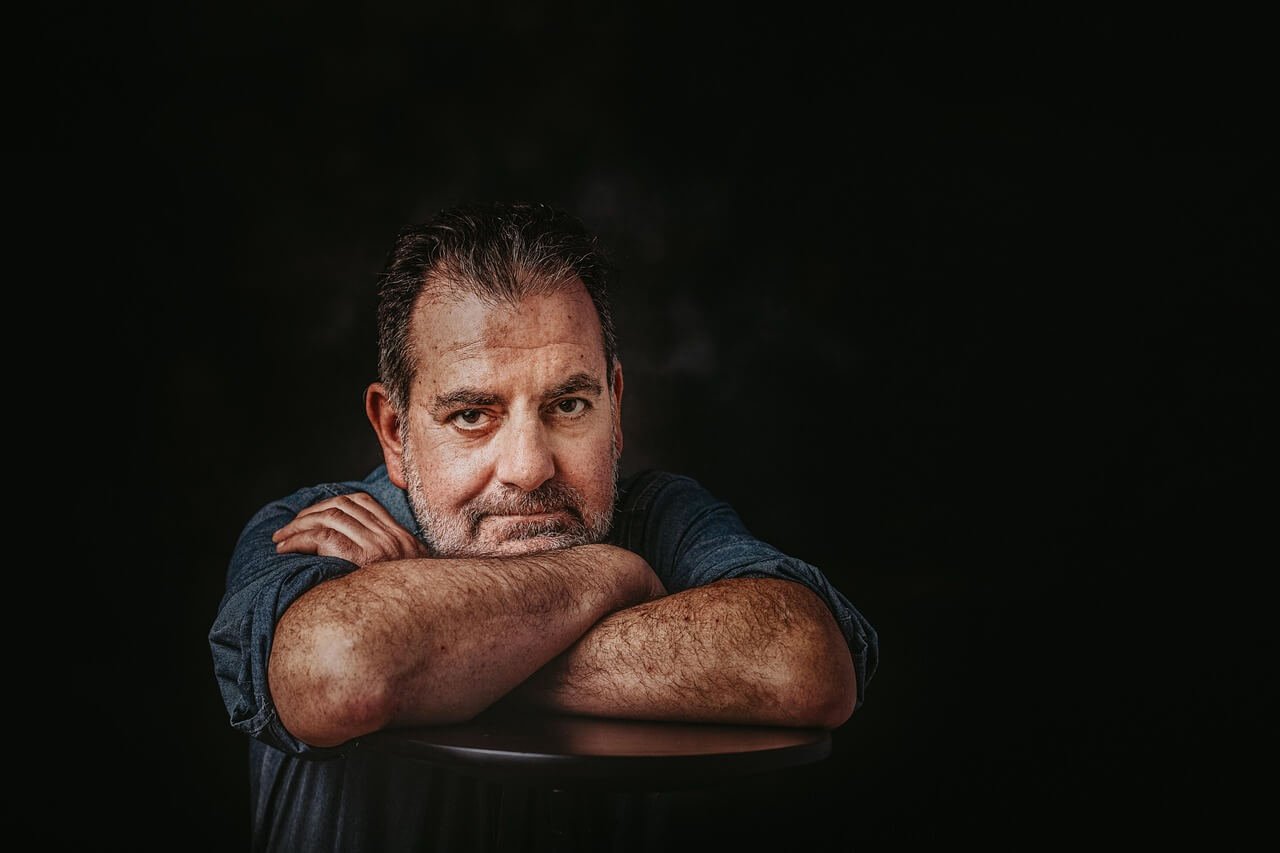
Recovery from prelonged stress has become one of the most pressing challenges facing modern leaders. CEOs, founders and senior executives are operating in environments that demand constant availability, rapid decision making and emotional control. Over time, this pressure accumulates. The body adapts to stress as a permanent state, and leaders begin to function in survival mode rather than at their true capacity. Choosing recovery from prelonged stress is no longer a luxury decision. It is a strategic one.
What separates leaders who recover successfully from those who slide deeper into exhaustion is not resilience or willpower. It is environment, structure and distance from the source of pressure. This is why Thailand has become one of the most effective destinations for executive recovery, and why men’s travel retreats there are producing faster, deeper results than conventional time off.
What Prolonged Stress Really Does to Leaders
Prolonged stress is not the same as being busy. It is sustained nervous system activation without adequate recovery.
For leaders, this often looks like:
constant mental alertness
difficulty switching off
shallow or disrupted sleep
emotional flatness or irritability
declining focus despite effort
Research shows that long-term stress keeps cortisol levels elevated, which directly affects decision making, emotional regulation and immune function. Leaders may still perform outwardly, but internally they are operating on depleted reserves.
Recovery from prelonged stress requires more than rest. It requires a reset of the nervous system itself.
Why High Performers Recover More Slowly at Home
Many leaders attempt recovery while staying close to their usual environment. They take short breaks, reduce meetings or work remotely. While helpful in theory, this approach often fails in practice.
The reason is familiarity.
At home, leaders remain surrounded by:
habitual work cues
digital access to responsibility
familiar thought patterns
social expectations
Even when work pauses, the body does not fully relax. The nervous system remains alert because it associates the environment with pressure. This is why many leaders return from holidays feeling briefly refreshed but quickly overwhelmed again.
True recovery from prelonged stress requires distance from the environment that created it.
Why Distance Changes the Recovery Timeline
Distance is not escapism. It is neurological intervention.
When leaders step far away from their normal surroundings:
stress triggers disappear
rumination slows
breathing deepens naturally
perspective widens
Studies in psychology show that unfamiliar environments increase cognitive flexibility and reduce repetitive thinking. Problems that felt urgent begin to feel manageable. This allows recovery to happen faster and with less effort.
This is why international retreats consistently outperform local breaks for executive stress recovery.
Why Thailand Accelerates Recovery for Leaders
Thailand offers a unique combination of factors that actively support recovery from prelonged stress.
A Climate That Calms the Nervous System
Warm temperatures relax muscles and encourage slower breathing, helping the body exit fight-or-flight mode naturally.
Natural Environments That Reduce Mental Load
Beaches, forests and open landscapes reduce sensory overload. Time in nature has been shown to lower cortisol levels and improve focus within days.
A Cultural Pace That Reduces Internal Urgency
Thai culture values calmness and balance. Many Western leaders notice their internal pressure softening without conscious effort.
Geographical Distance That Restores Perspective
Being far from home creates psychological separation from leadership identity, allowing priorities to reset.
Together, these factors create ideal conditions for recovery from prelonged stress.
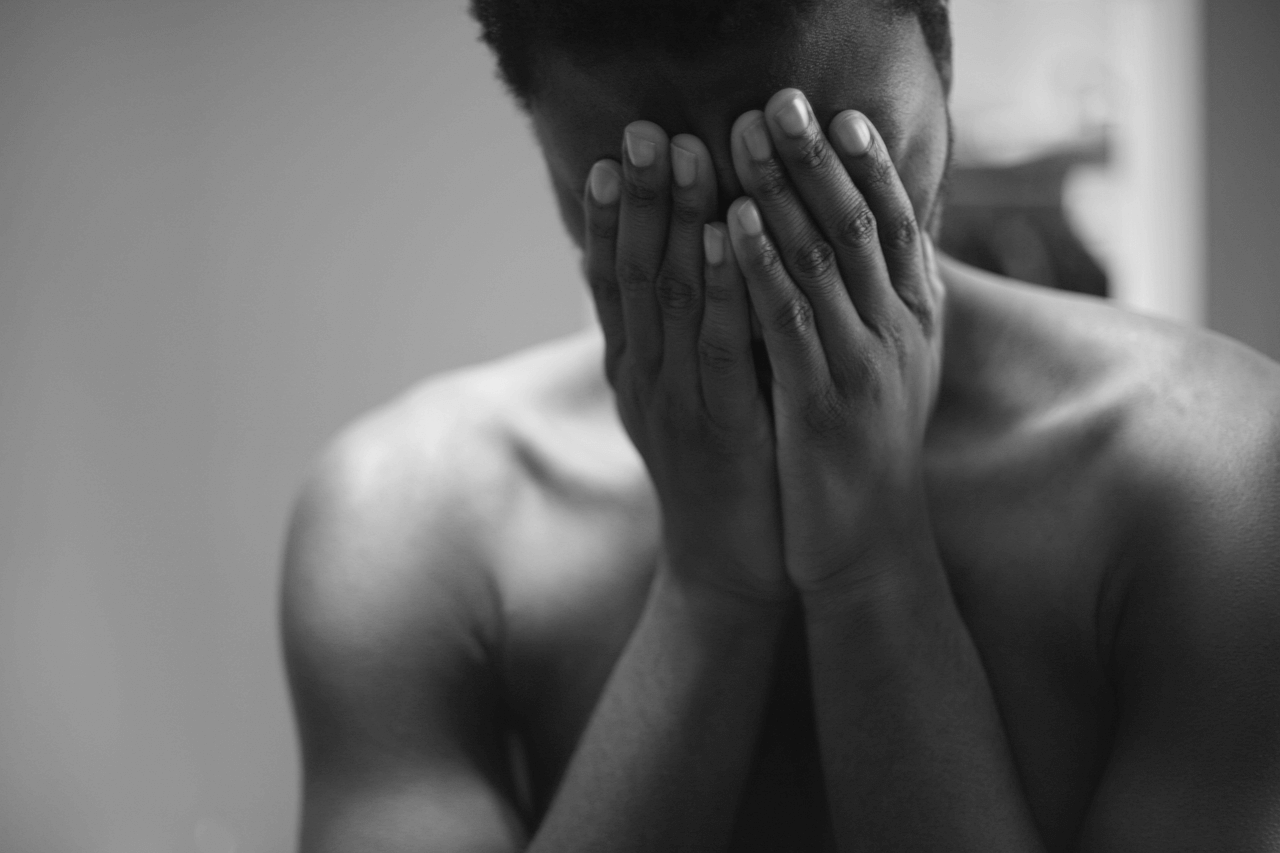
Why Structure Matters as Much as Location
Recovery does not happen automatically just because someone travels. Structure is critical.
Unstructured time often leaves leaders restless, mentally busy or defaulting to old habits. Structured recovery provides safety for the nervous system and removes decision fatigue.
At Men’s Travel Retreat in Thailand, recovery is intentional rather than passive. Every element is designed to support leaders who are accustomed to responsibility and control.
Breathwork to Regulate the Stress Response
Prolonged stress alters breathing patterns, keeping the body in a constant state of alert.
Guided breathwork helps:
reduce stress hormone levels
calm racing thoughts
improve emotional regulation
support mental clarity
Many leaders report that this is the first time in years they have felt genuinely calm without effort.
Movement That Releases Stored Stress
Stress is stored physically, particularly in men who spend long hours seated and mentally engaged.
Movement sessions focus on:
mobility and flexibility
functional strength
controlled, mindful activity
This helps release tension without draining energy further, supporting recovery from prelonged stress at a physical level.
Cold Therapy for Resilience and Focus
Cold exposure is increasingly used by high performers for its cognitive and emotional benefits.
Cold therapy has been shown to:
increase dopamine levels
improve mood stability
sharpen focus
train calm under pressure
These effects translate directly into leadership environments once men return home.
Reflection That Restores Strategic Thinking
One of the most overlooked aspects of recovery is thinking space.
Guided reflection sessions allow leaders to:
reassess priorities
identify unsustainable patterns
reconnect with long-term goals
regain strategic clarity
Away from constant demands, insight emerges naturally rather than being forced.
Connection Without Competition
Leadership can be isolating. Many executives carry stress alone, believing they must handle it privately.
Men’s travel retreats create connection without hierarchy or competition. Sharing experiences with others who understand leadership pressure reduces emotional load and restores perspective.
This sense of shared understanding accelerates recovery from prelonged stress.
Rest That Actually Rebuilds Energy
Sleep quality is one of the strongest indicators of recovery.
High-quality accommodation, reduced stimulation and consistent routines allow the body to recover deeply. Many leaders experience improved sleep and stable energy within days.
Why Men’s Travel Retreat Is Built for Leaders
Men’s Travel Retreat specialises in organising recovery experiences for CEOs, executives and businessmen in Thailand.
The retreat focuses on:
nervous system regulation
structured daily rhythms
breathwork and movement
cold therapy
reflection and clarity
calm, restorative environments
Everything is organised so leaders can focus fully on recovery rather than logistics.
Learn more about the retreat experience here:
https://www.menstravelretreat.com/
Speak directly with the team:
https://www.menstravelretreat.com/contact
Recovery From Prolonged Stress Is a Leadership Skill
Recovery from prelonged stress is not a sign of weakness. It is a leadership skill that protects clarity, judgement and long-term performance.
Leaders who ignore prolonged stress eventually pay for it through declining focus, health and fulfilment. Leaders who address it early regain energy, perspective and confidence.
By stepping into a structured men’s travel retreat in Thailand, executives give themselves the environment, distance and support needed to recover properly. When recovery from prelonged stress is prioritised, leadership becomes lighter, decisions become clearer and sustainable success becomes possible again.