Top 10 CEO Burnout Symptoms in 2026 and How To Fix Them
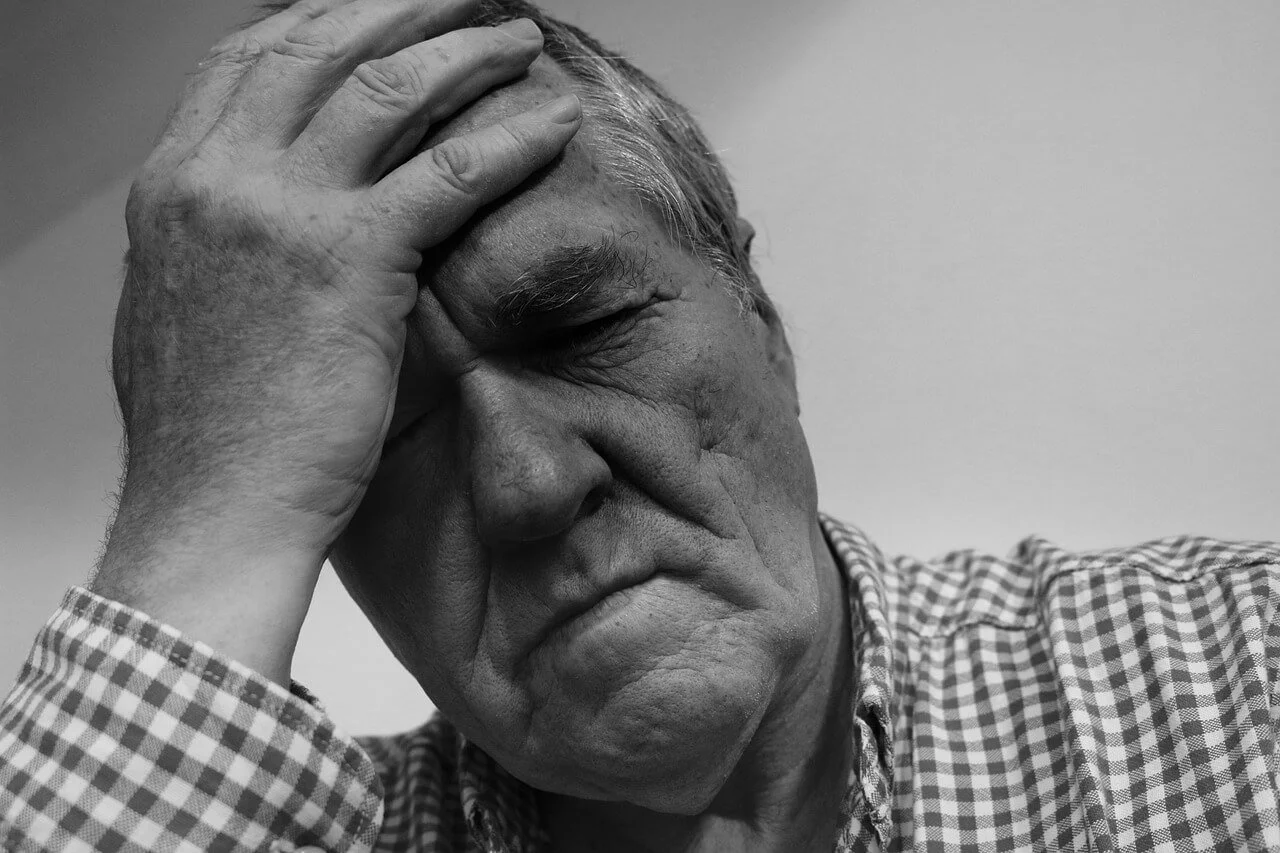
CEO burnout symptoms are becoming increasingly visible in 2026, even among leaders who appear successful, disciplined and in control. The pace of modern business has accelerated, expectations have intensified and the boundary between work and personal life has nearly disappeared. As a result, many CEOs, executives and business owners are experiencing CEO burnout symptoms without fully recognising what is happening until performance, health or relationships begin to suffer.
Burnout does not mean failure. It is a biological and psychological response to prolonged pressure without adequate recovery. Understanding the warning signs early allows leaders to take corrective action before stress becomes damaging. Below are the top ten CEO burnout symptoms appearing most frequently today, along with practical ways high-performing men are addressing them through structured recovery and travel-based retreats.
1. Constant Mental Fatigue
One of the most common CEO burnout symptoms is mental exhaustion that never fully lifts. Even after sleep or a weekend off, the mind feels heavy, foggy or overloaded.
Why it happens:
Prolonged decision-making and responsibility overload the brain’s executive functions, reducing cognitive efficiency.
How to fix it:
Mental fatigue improves when the nervous system is allowed to reset. Distance from daily decision-making, reduced stimulation and structured recovery practices help restore clarity. Many leaders find this reset happens fastest during a men’s travel retreat in Thailand, away from familiar pressures.
2. Reduced Decision-Making Confidence
Another major CEO burnout symptom is second-guessing decisions that once felt intuitive. Choices take longer, and confidence in judgement declines.
Why it happens:
Chronic stress suppresses the brain areas responsible for long-term planning and emotional regulation.
How to fix it:
Clarity returns when stress hormones drop. Time away from operational demands, combined with reflection and rest, restores executive confidence.
3. Sleep Disruption
Difficulty falling asleep, early waking or restless nights are classic CEO burnout symptoms.
Why it happens:
An overactive stress response keeps the body in alert mode, even at night.
How to fix it:
Sleep improves when the nervous system calms. Retreat environments with reduced digital stimulation, consistent routines and calming surroundings often improve sleep quality within days.
4. Emotional Irritability or Numbness
Many CEOs notice they are either more irritable than usual or emotionally flat. Both are CEO burnout symptoms.
Why it happens:
Chronic stress alters emotional regulation, making reactions sharper or suppressing emotional responsiveness altogether.
How to fix it:
Breathwork, movement and time away from constant responsibility help rebalance emotional regulation.
5. Loss of Motivation or Enjoyment
When work that once felt meaningful starts to feel heavy or pointless, burnout is often present.
Why it happens:
Burnout disconnects leaders from purpose, replacing intrinsic motivation with obligation.
How to fix it:
Purpose often returns when leaders gain perspective. Retreats create space to reconnect with personal values beyond daily pressures.
6. Physical Tension and Aches
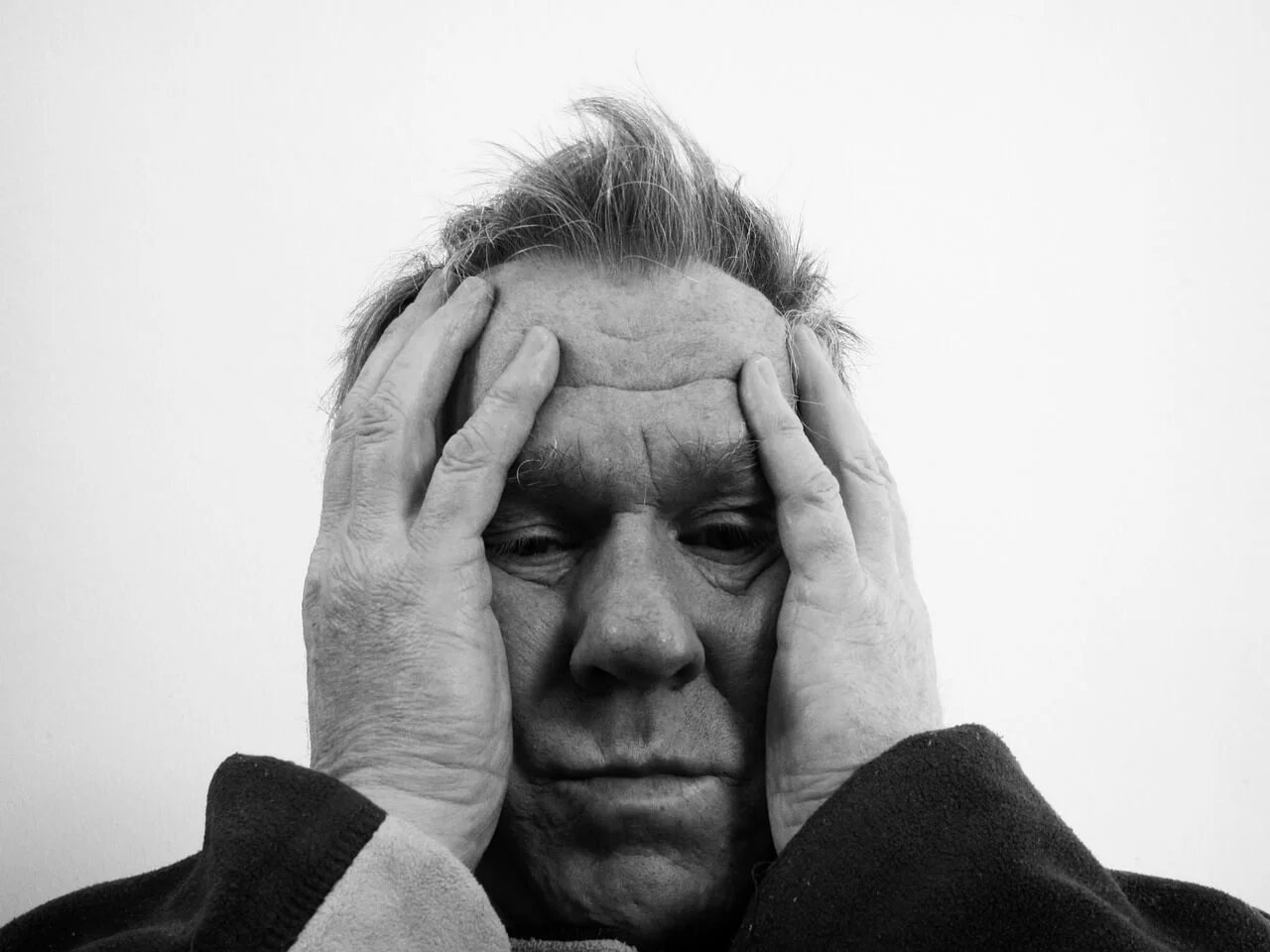
Chronic neck tension, headaches and unexplained aches are physical CEO burnout symptoms.
Why it happens:
Stress is stored physically, particularly in men who sit for long periods and carry mental strain.
How to fix it:
Movement focused on mobility and tension release, combined with relaxation practices, helps the body unwind.
7. Difficulty Switching Off
Being unable to mentally disengage from work, even during downtime, is a clear CEO burnout symptom.
Why it happens:
The brain becomes conditioned to constant problem-solving.
How to fix it:
True disengagement often requires environmental change. Travel-based recovery helps break habitual thought loops.
8. Declining Creativity and Big-Picture Thinking
Many executives report feeling stuck in reactive mode, unable to think creatively or strategically.
Why it happens:
Stress narrows thinking and prioritises short-term problem-solving.
How to fix it:
Creativity returns when the mind slows. Natural environments and reduced cognitive load support broader thinking.
9. Increased Reliance on Stimulants or Distractions
Higher caffeine intake, excessive screen time or constant busyness can be subtle CEO burnout symptoms.
Why it happens:
Stimulants temporarily mask fatigue but worsen long-term exhaustion.
How to fix it:
Energy stabilises when recovery replaces stimulation. Structured rest and nervous system regulation restore natural vitality.
10. Feeling Isolated Despite Being Surrounded by People
Leadership can feel lonely, and emotional isolation is a common CEO burnout symptom.
Why it happens:
Responsibility often prevents open expression of stress.
How to fix it:
Connection with peers who understand leadership pressure reduces isolation. Men’s retreats provide shared understanding without competition.
Why Traditional Solutions Often Fail
Many CEOs attempt to manage burnout through:
short holidays
reduced hours
productivity tools
While helpful, these rarely address the root cause. The problem is proximity. Remaining close to work environments keeps stress responses active.
Why Travel-Based Recovery Works
Travel creates psychological distance. It removes stress triggers and allows the nervous system to recalibrate.
Thailand is particularly effective because of:
calming climate
natural environments
slower cultural pace
clear separation from home responsibilities
These factors accelerate recovery from CEO burnout symptoms.
How Men’s Travel Retreat Helps Fix CEO Burnout Symptoms
Men’s Travel Retreat in Thailand specialises in organising recovery experiences for stressed CEOs, executives and businessmen.
The retreats focus on:
nervous system regulation
breathwork and movement
cold therapy for resilience
reflection and clarity
high-quality rest and accommodation
Everything is structured so leaders can recover without managing logistics.
Speak directly with the team here!
CEO Burnout Symptoms Are a Signal, Not a Failure
CEO burnout symptoms are not a personal weakness. They are the body and mind signalling that sustained pressure has exceeded recovery capacity.
Ignoring these signs leads to deeper exhaustion and reduced leadership effectiveness. Addressing them early leads to renewed clarity, energy and confidence.
By stepping away to a structured men’s travel retreat in Thailand, leaders give themselves the environment and support needed to recover properly. When CEO burnout symptoms are addressed at their root, leadership becomes lighter, decisions become clearer and long-term performance becomes sustainable again.